



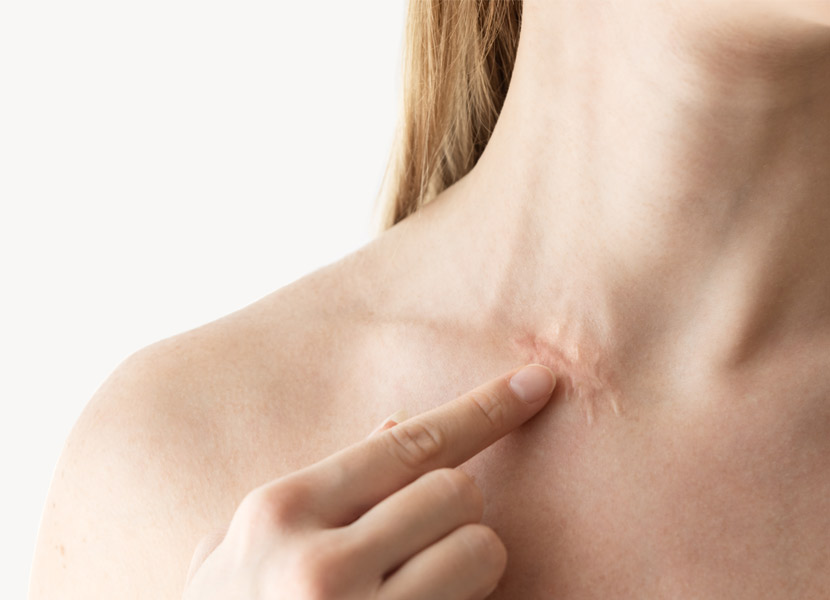
A scar is a mark left on the skin after a wound (surgical or accidental) has healed or following an inflammatory process such as acne. There are several types of scars, and they may also be at different stages. It is therefore very important to choose the appropriate treatment to successfully remove or reduce the appearance of the scar.
A scar is a mark left on the skin after a wound (surgical or accidental) has healed or following an inflammatory process such as acne. There are several types of scars, and they may also be at different stages. It is therefore very important to choose the appropriate treatment to successfully remove or reduce the appearance of the scar.
Can a scar be removed?
It is not possible to remove a scar while leaving the skin completely intact, because the integrity of the skin has been disrupted.
However, scar removal treatments can reduce their appearance and make them barely visible. Patient satisfaction with scar treatments is high.
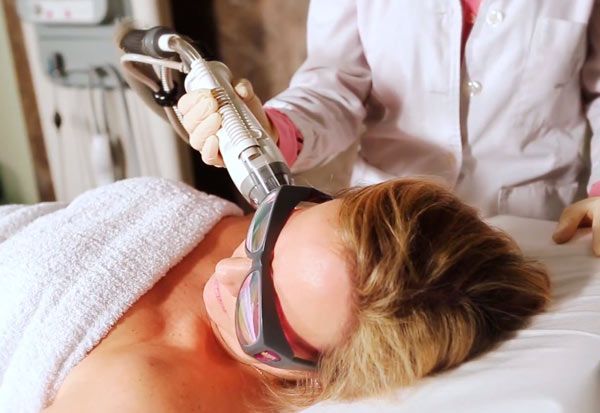
How do we remove or reduce the appearance of scars at Ribe Clinic?
The medical technology we use to treat scars is laser treatment. For mild to moderate scars, we use the Fraxel fractional laser and, for more severe scars, the fractional CO2 laser and the fractional picosecond laser
In some cases, when indicated, injectable materials or collagen stimulators are used to further reduce the appearance of the scar. Nutritional supplements may also be recommended to stimulate collagen formation, which is very important in the scar repair process, as well as scar creams.
Depending on the type of scar and the patient’s progress during scar reduction treatment, these medical technologies may be combined to achieve the best aesthetic result.
Types of scars
At Ribe Clinic, we carry out an initial consultation to assess the type and severity of the scar and recommend the most appropriate therapy for scar treatment, either as monotherapy or as a combination of several techniques.
We treat different types of scars:
Scar treatment at Ribe Clinic
Collagen stimulators
- Fraxel laser
- Fractional CO2 laser
- Picosecond laser in fractional mode
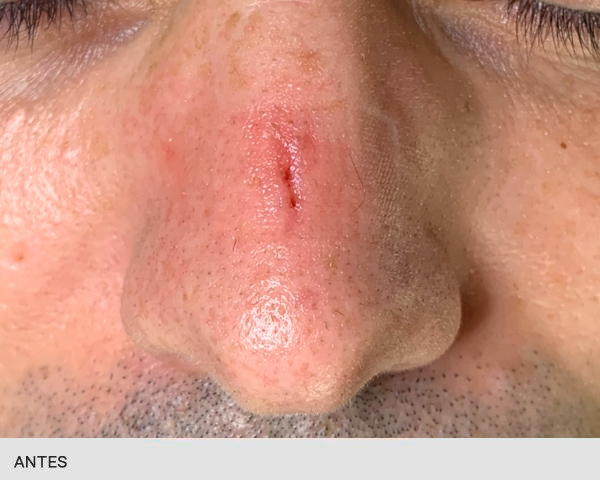
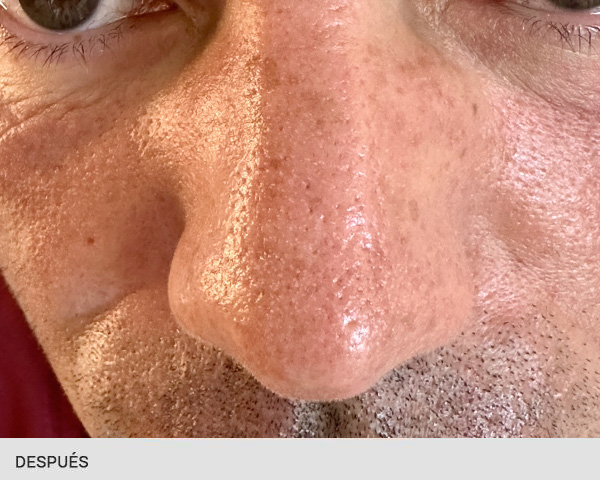
Laser treatment stimulates the formation of new collagen in the dermis and remodels existing collagen, gradually “filling in” the scar. It also regenerates the epidermis that had become atrophic and depressed. In this way, skin scars are progressively softened. The scar may be reduced by up to 80%.
The results of laser scar treatment depend on the number of sessions performed, the type of scar and the patient’s individual response, as this is a stimulation-based treatment.
The Fraxel laser is suitable for all skin phototypes and for scars ranging from mild to severe. The CO2 laser is recommended for skin phototypes 1–3 and for moderate and/or severe scars. The picosecond laser is suitable for all skin phototypes, particularly Asian skin, and for mild to moderate scars. Laser treatment is particularly suitable for patients who prefer treatments with mild side effects, such as redness and swelling.
Injections
- Injections of hyaluronic acid to fill the scar depression.
- Injections of collagen stimulators to stimulate the body’s own collagen production in acne scars.
- Injections of corticosteroids to reduce persistent inflammation in some scars.
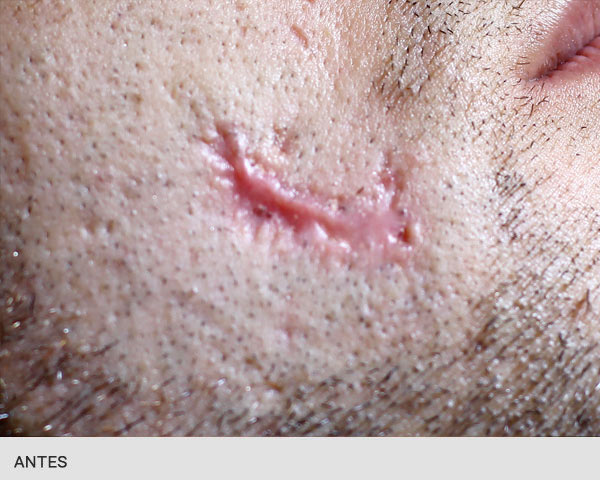
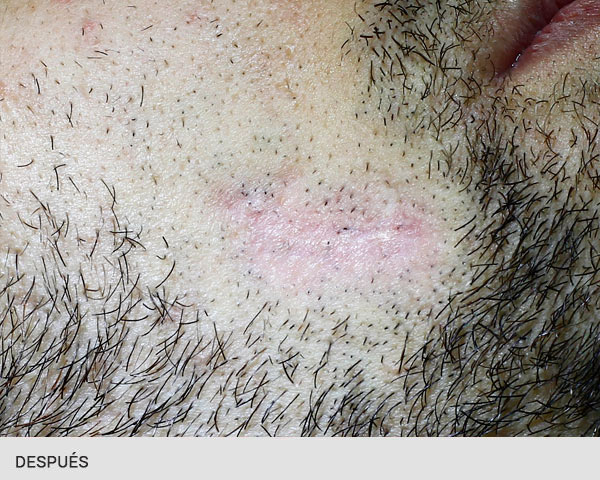
Scars before and after treatment at Ribe Clinic
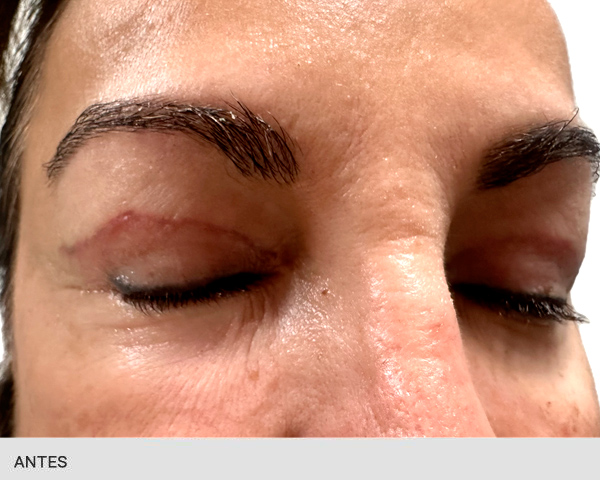
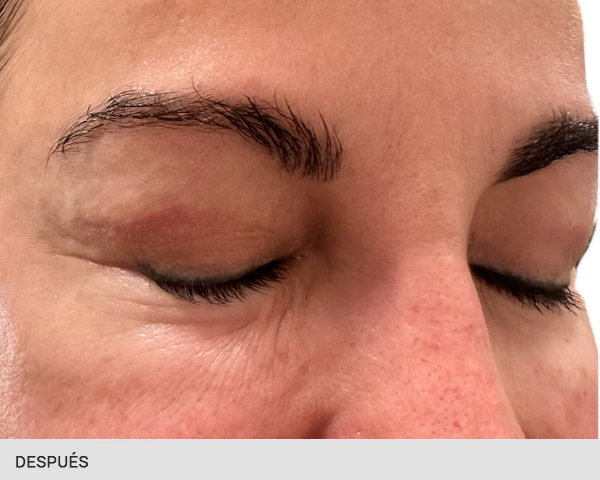
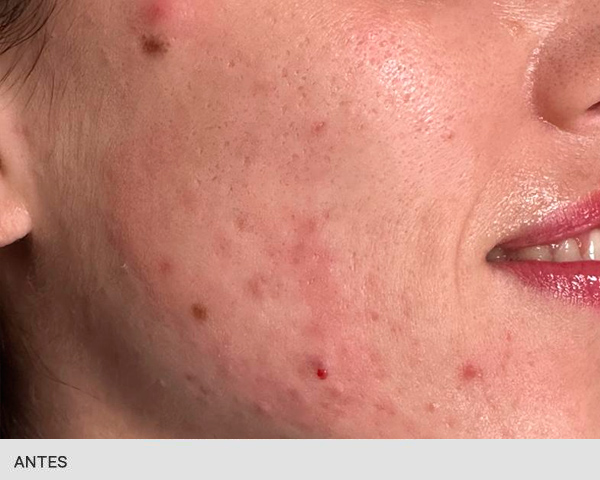
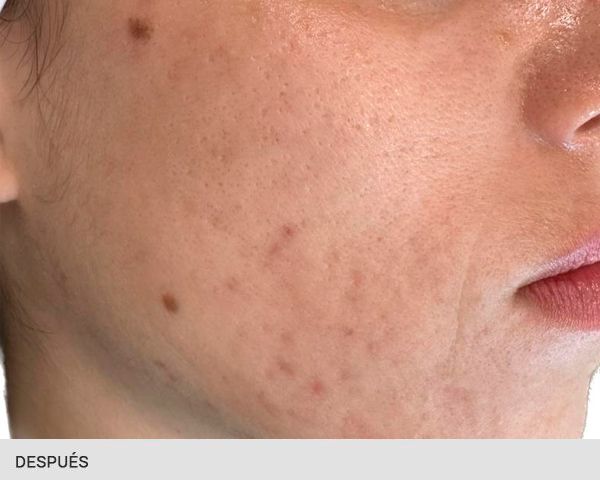
Why choose Ribe Clinic for scar treatment?
The professionals at Ribe Clinic are experienced in the latest medical technology used to treat scars and follow specific protocols for each type of scar. Their results are supported by years of experience and expertise in the latest technology.
In addition, we participate in medical research into new technologies for scar treatment, giving us first-hand knowledge of the latest research and the results achieved with the most innovative technologies.
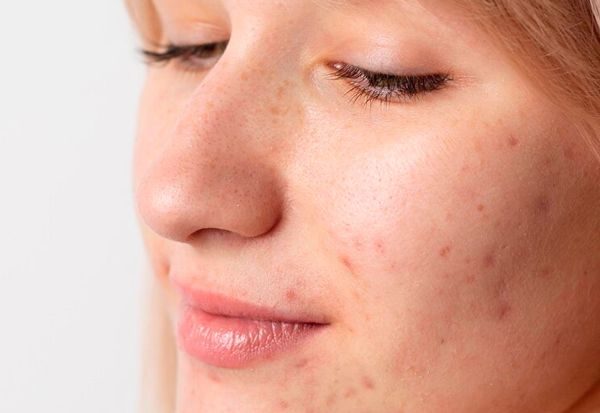
Why do post-acne scars develop?
Post-acne scars develop when the sebaceous gland becomes significantly inflamed, destroying the surrounding collagen fibres, which are then replaced by scar tissue containing lower-quality collagen. As a result, the dermis becomes atrophic and the epidermis becomes depressed.
Types of post-acne scars
- Boxcar scars are wide in diameter (more than 2 mm) and have sharply defined edges.
- Ice-pick scars: small, punctiform and deep scars with a diameter of less than 2 mm.
- Rolling scars: shallower depressions that affect large areas and give the skin an uneven, textured appearance.
The treatment differs for each type of scar, although many patients have all three types, so treatments are combined.
Treatments indicated for acne scars
We use different types of laser depending on the severity of the scar.
- Mild or moderate scars
The best option is the Fraxel fractional laser. The heat generated by the laser helps destroy the Propionebacterium Acnes bacteria when some residual active acne is still present. 3 to 5 sessions, one session every 15–30 days. - Deep scars
We recommend the fractional CO2 laser. This laser is more aggressive than the previous one and therefore requires topical anaesthetic cream (2 sessions, one every 3–6 months). Another option is the picosecond laser in fractional mode, which requires more frequent sessions (4–6 sessions, one every 1–2 weeks)
After treatment
Simply apply a healing or moisturising cream to the treated area for a few days, together with sun protection (SPF 50+). For the treatment of deep scars, an antibiotic cream and herpes simplex prophylaxis are recommended, as well as sun protection (SPF 50+).
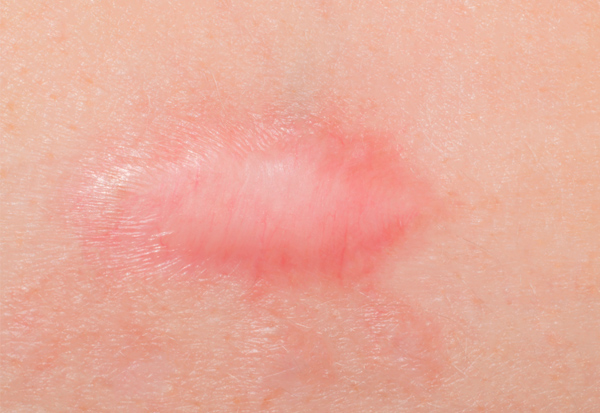
What is a keloid?
Some patients have a predisposition to abnormal scarring, while in other cases it occurs for no known reason, producing a thicker, red scar within or beyond the original scar margins.
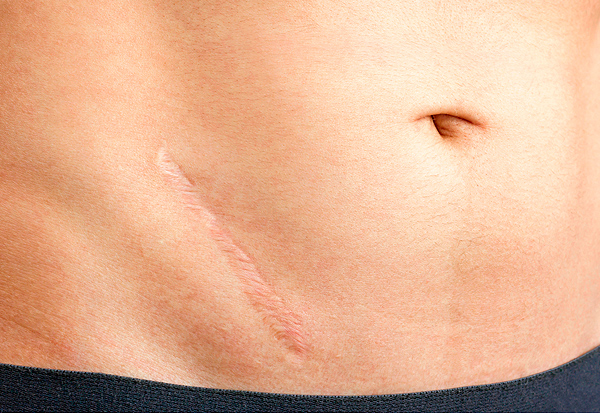
Thus, after an accident, surgery or burn, some patients develop a raised, red cord-like scar that remains within the area of the original wound (hypertrophic scar) or extends beyond the scar margins (keloid scar). This usually occurs within a few weeks of the injury.
Treatments to prevent keloid formation
The formation of skin scars after surgery or trauma is a concern for patients with a history of “abnormal scarring”. Therefore, when keloid formation is suspected, it is advisable after surgery to begin preventive treatment to stop it from developing.
Treatments indicated for keloid scars
For keloid scars, we recommend combining corticosteroid injections administered intralesionally with non-ablative fractional Fraxel laser treatment with one session every 15–30 days, for a total of 3–5 sessions depending on the individual case.
Specific scar creams or patches should also be applied.
When should I start treatment for these scars?
We recommend not waiting too long after surgery and attending a consultation as soon as the sutures have been removed, so that scar treatment can begin promptly.
Laser scar treatment remodels the collagen affected by this “disruption”, making the scar flatter and closer in colour to the surrounding skin.
Treatments indicated for these scars
- For atrophic and hypertrophic scars the best option is to start with Fraxel fractional laser treatment, with one session every 15–30 days, for a total of 3–5 sessions.
- For keloid scars we recommend combining intralesional corticosteroid injections with Fraxel fractional laser treatment, with one session every 15–30 days, for a total of 3–5 sessions.
After scar treatment
Apply a healing cream to the treated area for a few days, together with sun protection (SPF 50+). Depending on the individual case, we recommend applying creams or scar patches to enhance the effects of the medical treatments.
Can a scar caused by an accident be removed?
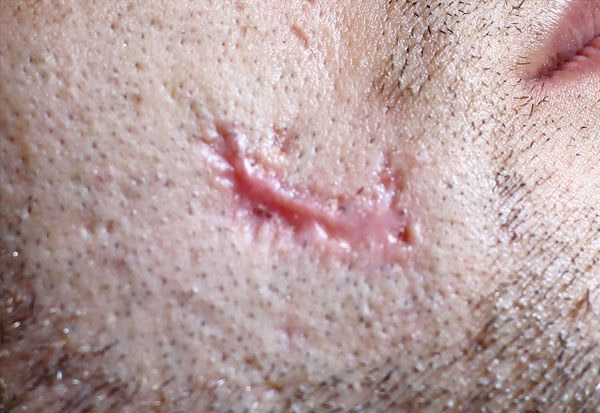
Complete scar removal is not possible, because the integrity of the skin has been disrupted. However, treatments for traumatic scars can reduce their appearance until they are barely visible. Patient satisfaction with these treatments for accident-related scars is high.
The aim of scar removal (reduction) treatment is to reduce scar thickness and redness and improve elasticity so that the scar resembles the surrounding normal skin as closely as possible and any associated discomfort is relieved.
We currently have medical technology available to improve the appearance of scars and make them much less visible.
Types of traumatic scars
- Atrophic scar: a depressed scar.
- Hypertrophic scar: a raised scar that remains within the original scar margins.
- Keloid scar: a raised scar that extends beyond the original scar margins.
Treatments indicated for traumatic scars
At Ribe Clinic, we carry out an consultation to assess the type and severity of the scar and recommend the most appropriate therapy for scar treatment, either as monotherapy or as a combination of several techniques.
- For atrophic and hypertrophic scars the best option is to start with Fraxel fractional laser treatment, with one session every 15–30 days, for a total of 3–5 sessions.
- For keloid scars we recommend combining intralesional corticosteroid injections with Fraxel fractional laser treatment, with one session every 15–30 days, for a total of 3–5 sessions.
After treatment
Simply apply a healing cream to the treated area for a few days, together with sun protection (SPF 50+).
Normal daily activities can be resumed.
Depending on the individual case, we recommend applying scar creams or patches to enhance the effects of the medical treatments.
Why Choose Ribe Clinic

Experience and Exclusivity
Dr Adriana Ribé personally conducts consultations and performs the medical treatments.

Medical Safety
Materials and devices with QR codes and CE certification. Scientifically supported protocols.

Patient Follow-up
Follow-up appointments and direct consultations with the doctor regarding the treatments performed.

Sustainable Clinic
The first aesthetic medicine clinic committed to sustainability.