Medical chemical peels for acne

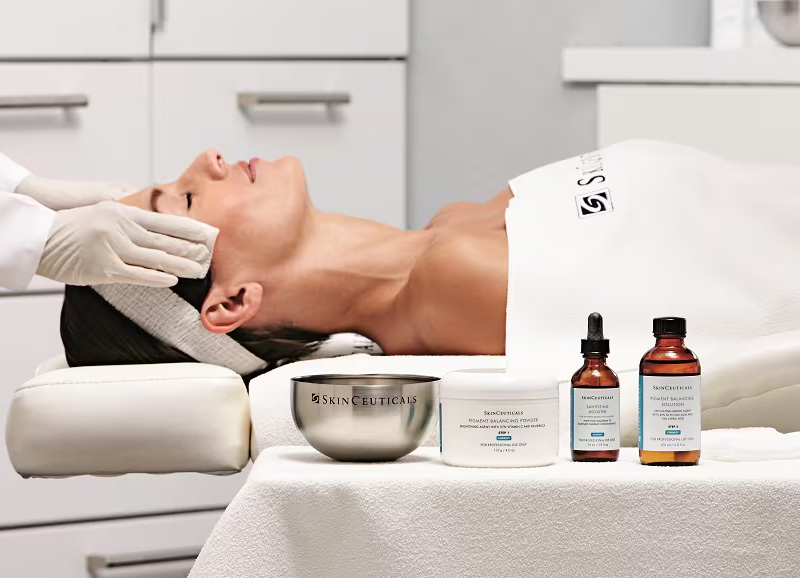
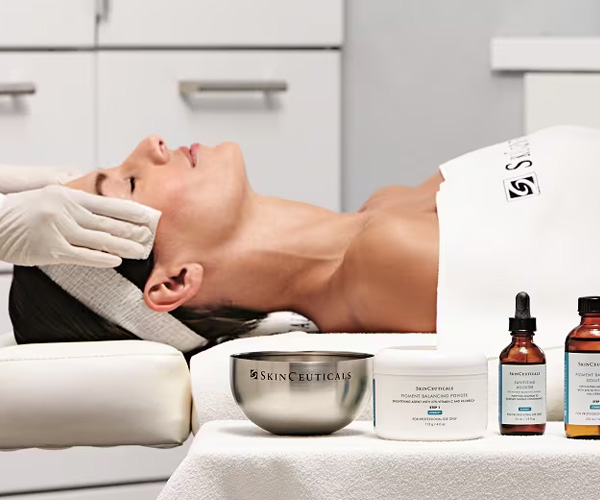
Medical chemical peels are very useful for treating active acne. These are chemical peels that must be performed under medical supervision.

Choosing the right type of peel for your skin is essential to achieve the best possible treatment outcome.


Request an appointment

peelings químicos

Medical chemical peels for acne

Medical chemical peels are very useful for treating active acne. These are chemical peels that must be performed under medical supervision.

Choosing the right type of peel for your skin is essential to achieve the best possible treatment outcome.


Request an appointment

At Ribe Clinic, we offer several treatments for active acne in teenagers or adults, depending on the type of acne and whether there are other associated skin concerns such as pigmentation, marks and scars.

As there are many types of chemical peels with different formulations, Dr Adriana Ribé, dermatopathologist, will assess your skin and recommend the most suitable chemical peel, as well as any combined treatment needed to improve effectiveness against acne.

What is a chemical peel for acne like?

Chemical peels may contain glycolic acid, retinoids, salicylic acid, lactic acid or citric acid, among other active ingredients.

The choice of the most suitable peel depends on the type of acne and whether there are other skin concerns such as redness, pigmentation, sensitive skin, etc.

For this reason, it is essential for the medical professional to begin with an assessment of the skin to ensure that the correct chemical peel is chosen in each case. This makes it possible not only to treat active acne, but also to address other skin concerns.

How many chemical peel sessions do I need for acne?

Usually, 4–8 sessions are recommended and combined with at-home cleansing and topical skincare, as well as LED therapy and nutritional supplements.

Frequently asked questions about chemical peels for acne

The most suitable medical peel for acne varies according to the type and severity of the acne, as well as the patient’s skin type. Some of the medical peels commonly used to treat acne include:

  1. Salicylic acid peel: It is particularly useful for acne because it penetrates the pores and helps dissolve excess sebum and dead skin cells that may block them. It also has anti-inflammatory properties that can help reduce redness and swelling.
  2. Glycolic acid peel: An alpha-hydroxy acid (AHA) that exfoliates the surface of the skin, helping to remove dead skin cells and promote cell renewal. It can be useful for treating acne and improving skin texture.
  3. Trichloroacetic acid (TCA) peel: This peel can be medium-depth and may be used to treat acne scars and more severe acne lesions. Depending on the concentration, it can penetrate more deeply into the skin.
  4. Lactic acid peel: Another alpha-hydroxy acid that provides gentle but effective exfoliation and can be used to treat acne. It is suitable for sensitive skin and may help improve skin texture and tone.
  5. Mandelic acid: This alpha-hydroxy acid has a larger molecular structure, making it gentler and less irritating. It is suitable for sensitive skin and can help treat acne and improve skin texture.
  6. Retinoic acid (tretinoin): A vitamin A derivative that accelerates cell renewal and helps prevent blocked pores. It can be effective for severe acne and for helping to prevent scarring, although it may cause irritation.

The most appropriate peel should be selected by a dermatologist or medical professional, who will assess the skin and determine the most suitable treatment for the patient’s individual needs. It is important to follow the doctor’s recommendations and post-peel care instructions to achieve the best possible results and minimise risks.

The number of peels required to treat acne varies depending on several factors, including the severity of the acne, the type of peel used and the individual response of the skin to treatment. As a general guide:

  1. Superficial peels (such as low-concentration salicylic acid or glycolic acid):
    • Frequency: They are generally performed every 2–4 weeks.
    • Number of sessions: Between 4 and 8 sessions may be required to achieve noticeable improvement.
  2. Medium-depth peels (such as moderate-concentration trichloroacetic acid (TCA)):
    • Frequency: These peels are performed less frequently, generally every 4–6 weeks.
    • Number of sessions: Between 2 and 4 sessions may be required, depending on the severity of the acne and scarring.
  3. Deep peels (such as high-concentration TCA):
    • Frequency: These are less commonly used for active acne and are performed much less frequently, often only once because of their depth and the recovery time required.
    • Number of sessions: Generally, one session may be sufficient, although in some cases a second session may be required several months later.

It is important to follow the recommendations of a dermatologist, who will assess the skin and design a personalised treatment plan. Post-peel care is also essential to maximise the benefits of treatment and minimise the risk of complications.

The price of a chemical peel session is €150 and may vary depending on several factors, such as the type of peel, whether it is combined with other treatments or whether it forms part of a treatment protocol.

Why Choose Ribe Clinic

TREATMENTS PERFORMED BY DOCTORS

Experience and Exclusivity

Dr Adriana Ribé personally conducts consultations and performs the medical treatments.

safe treatments at Ribe Clinic

Medical Safety

Materials and devices with QR codes and CE certification. Scientifically supported protocols.

Follow-up throughout treatment

Patient Follow-up

Follow-up appointments and direct consultations with the doctor regarding the treatments performed.

sustainable clinic Ribe Clinic

Sustainable Clinic

The first aesthetic medicine clinic committed to sustainability.

WE CAN HELP YOU
Book an initial consultation with us