


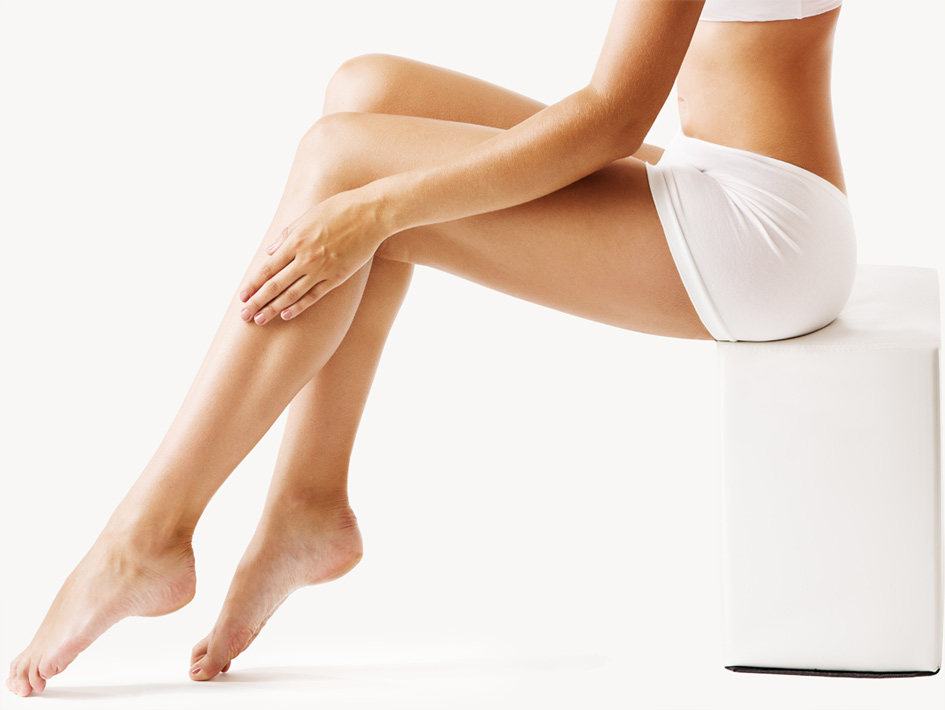
The presence of superficial varicose veins (small superficial veins) on the legs is a cosmetic concern affecting millions of people. Before treating them, it is very important to carry out a medical diagnosis as the patient’s vascular condition may have different causes, and this will determine the most appropriate treatment for removing these varicose veins and spider veins.
Types of varicose veins or vascular lesions
There are several types: “spider veins” or telangiectasias (branch-like dilated vessels just beneath the skin), cherry angiomas (angiomas), small superficial veins, couperose, rosacea and broken capillaries.
At our clinic, we assess each case and apply the treatment best suited to the individual patient.
Varicose veins: before and after

Treatment for varicose veins in the legs
Depending on the size of the varicose vein, the treatment indicated for varicose veins in the legs may be one of the following or a combination of treatments, depending on the case.
- Sclerotherapy
For medium-sized varicose veins.
This involves injecting a substance (polidocanol) in microfoam form into the affected vein. It displaces the blood and allows the inner wall of the varicose vein to be treated selectively, transforming it over a few months into a scar-like cord through which blood no longer flows.
Sclerotherapy treatment for varicose veins takes between 1 and 4 sessions, with one session every 15–30 days.
- Vascular laser
For very small dilated veins such as small superficial veins or spider veins.
To remove spider veins, vascular laser treatment is applied to the affected veins in the legs, eliminating the blood vessel through the principles of photocoagulation and photothermolysis.
Laser treatment for spider veins takes between 1 and 4–5 sessions, with one session per month.
More information about vascular laser treatment for varicose veins here
- Surgery (varicose vein surgery)
For larger varicose veins surgery is required.
How many sessions are needed to remove spider veins and varicose veins?
Sclerotherapy: treatment for varicose veins and spider veins takes between 1 and 4 sessions, with one session every 15–30 days.
Laser: laser treatment for spider veins and varicose veins takes between 1 and 4–5 sessions, with one session per month.
Aftercare
There is no need to rest or take time off work.
Sclerotherapy: after a session to treat varicose veins, compression may be applied to the treated area.
Laser: after treating varicose veins or spider veins on the legs, it is recommended to apply vitamin K cream and use very high sun protection (SPF 50+) on the treated areas if they are exposed to the sun.
Frequently asked questions
Why Choose Ribe Clinic
Experience and Exclusivity
Dr Adriana Ribé personally conducts consultations and performs the medical treatments.
Medical Safety
Materials and devices with QR codes and CE certification. Scientifically supported protocols.
Patient Follow-up
Follow-up appointments and direct consultations with the doctor regarding the treatments performed.
Sustainable Clinic
The first aesthetic medicine clinic committed to sustainability.