


Facial skin laxity. How can you firm the face?
The first signs of facial skin laxity usually appear from the age of 35–40: loss of facial contour definition, progressive sagging of the face and loose neck skin beneath the chin.
To slow these changes and firm the face, there are advanced medical aesthetic treatments and even surgical options, depending on each case.
–
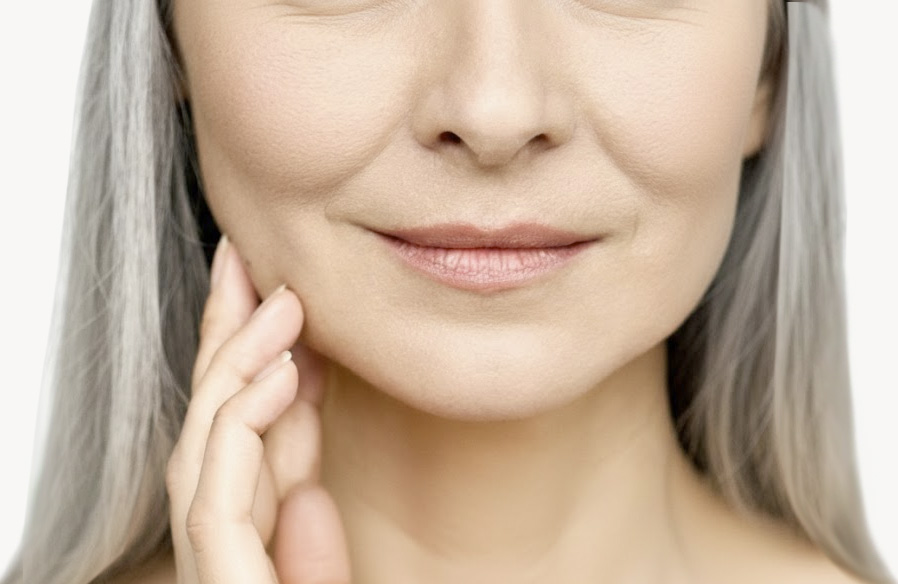
Facial skin laxity. How can you firm the face?
The first signs of facial skin laxity usually appear from the age of 35–40: loss of facial contour definition, progressive sagging of the face and loose neck skin beneath the chin.
To slow these changes and firm the face, there are advanced medical aesthetic treatments and even surgical options, depending on each case.
–
Medical treatments are effective for firming the face in cases of mild to moderate skin laxity; when facial laxity is very pronounced, surgery is necessary.
The current approach to firming the face is to address facial skin laxity at an earlier age and even prevent it, achieving better and more natural-looking results.
Medical treatments are effective for firming the face in cases of mild to moderate skin laxity; when facial laxity is very pronounced, surgery is necessary.
The current approach to firming the face is to address facial skin laxity at an earlier age and even prevent it, achieving better and more natural-looking results.
What is the best treatment for facial skin laxity?
There is no single treatment, but rather a combination of several, and the best treatment must be personalised for each case, taking into account factors such as the degree of facial skin laxity and skin quality.
We offer the most advanced technologies — Endolift laser, PDO lifting threads, HIFU ultrasound, collagen stimulators and Thermage radiofrequency — to treat facial skin laxity and achieve natural-looking results. We assess each case individually to select the most appropriate treatment, aiming for effectiveness and maximum durability.
Ribe Clinic protocol for facial skin laxity treatment
At Ribe Clinic, we diagnose the type and degree of facial skin laxity, including a medical history, and design a specific treatment protocol for each patient. This may consist of a single treatment or a combination of several treatments to firm the face.
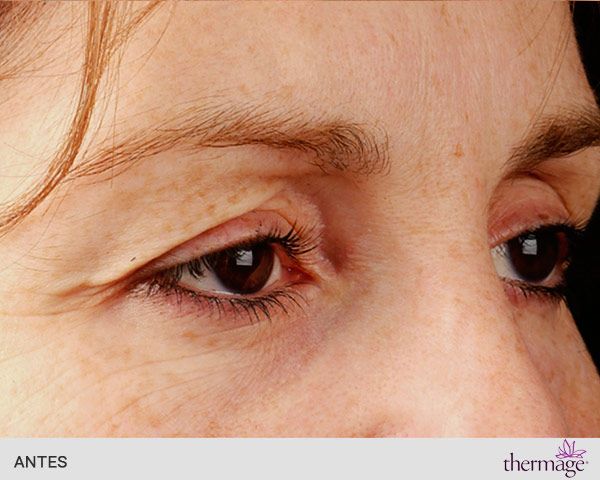
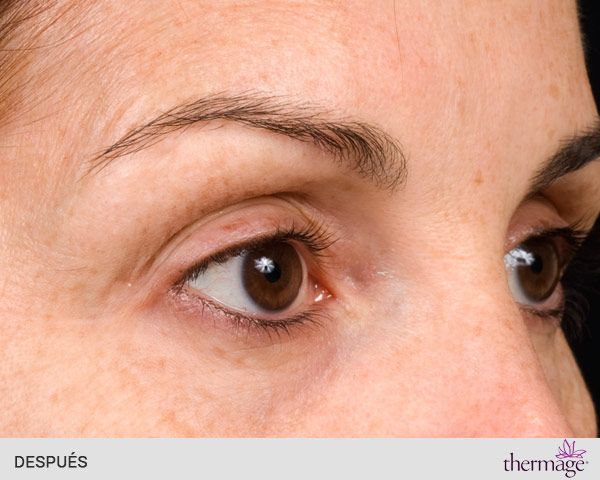
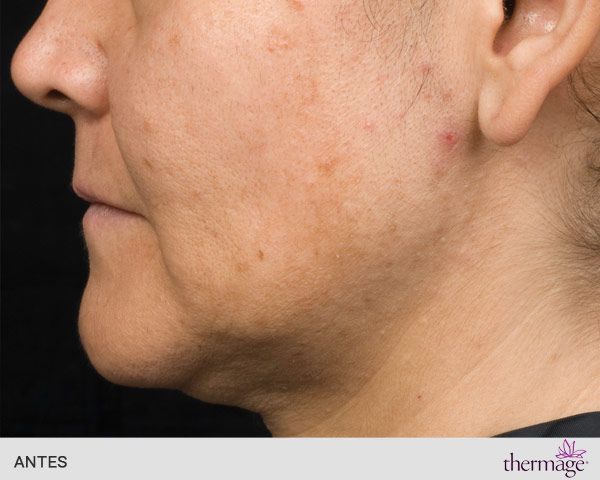
Thermage radiofrequency
Indicated for treating mild to moderate skin laxity and for those looking to improve skin texture and quality over larger areas (facial contour, cheeks, neck and décolletage). Suitable for all skin phototypes throughout the year.
Thermage heats the deeper layers volumetrically using controlled monopolar radiofrequency, stimulating collagen production without damaging the surface of the skin.
Benefits: progressive tightening effect, finer-looking pores, improved texture and better facial contour definition with minimal downtime.
PDO threads
Indicated for mild to moderate skin laxity requiring gentle lifting and repositioning (jawline, mid-face, eyebrows and neck).
Suitable for all skin phototypes and at any time of year.
Polydioxanone threads produce a mechanical effect (subtle lifting) and a biological effect (collagen biostimulation) as they are reabsorbed.
Benefits: immediate definition and progressive improvement in firmness; natural-looking results when performed by medical professionals. Short recovery time (possible mild bruising or temporary tightness).
Collagen stimulators (biostimulation)
Indicated for patients who want to improve skin elasticity, thickness and firmness in a gradual and natural-looking way, including delicate areas (jawline, chin, neck and décolletage).
Biostimulatory materials (e.g. poly-L-lactic acid or calcium hydroxyapatite used with specific techniques) stimulate neocollagenesis from within.
Suitable for all skin phototypes and at any time of year.
After the session, mild swelling may occur for 1–3 days.
Benefits: improved skin quality, a progressive and long-lasting tightening effect, and high compatibility with different skin phototypes. Ideal as a foundation for enhancing RF, HIFU or thread treatments…
HIFU
Indicated for treating specific areas of mild, moderate or structural skin laxity when a non-surgical lifting effect is desired in the SMAS and deep dermis (cheekbones, jawline, submental area and neck).
High-intensity focused ultrasound delivers energy to precise points at different depths, contracting the tissue and stimulating collagen without damaging the skin surface.
Benefits: improved facial contour definition, neck tightening and greater firmness with minimal downtime, and suitable for treatment at any time of year.
Endolift laser fibre
It is a minimally invasive remodelling treatment. Indicated for significant skin laxity and/or localised fat deposits that blur the facial contour (double chin, pronounced jawline laxity).
Suitable for all skin phototypes and at any time of year. After the session, mild swelling may occur for 1–7 days. Compression is required.
Benefits: It uses a laser microfibre that works at the subdermal level, producing collagen tightening and remodelling of the tissue; it may help to reduce localised fat .
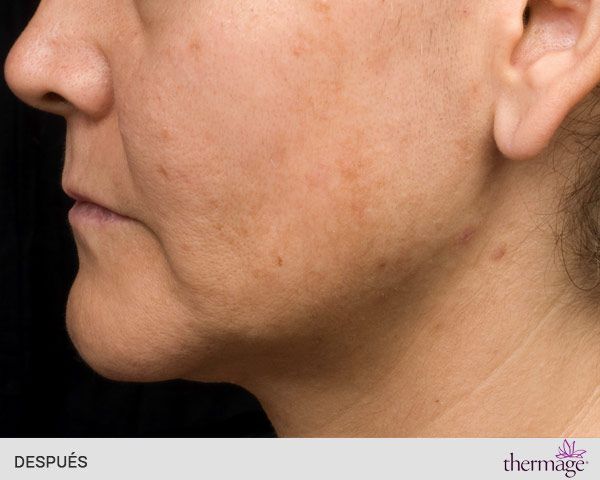
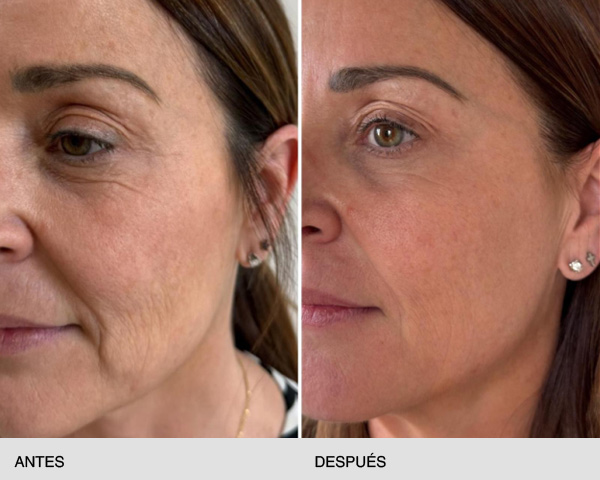
Facial skin laxity before and after at Ribe Clinic
Why choose Ribe Clinic to firm the face?
At Ribe Clinic, our medical professionals have extensive experience in treatments for facial skin laxity, as well as in its prevention. We carefully consider each patient’s aesthetic features and needs when selecting the most appropriate treatment.
All our treatment protocols are personalised for each patient because skin laxity has several causes and each requires a specific protocol.
At Ribe Clinic, we combine our experience in treating facial skin laxity with the latest technology and each patient’s goals.
We take part in medical research into new technologies for treating facial skin laxity, giving us first-hand knowledge of the latest research and the results of the most innovative technologies.
Frequently asked questions about facial skin laxity treatments
Why Choose Ribe Clinic

Experience and Exclusivity
Dr Adriana Ribé personally conducts consultations and performs the medical treatments.

Medical Safety
Materials and devices with QR codes and CE certification. Scientifically supported protocols.
Patient Follow-up
Follow-up appointments and direct consultations with the doctor regarding the treatments performed.

Sustainable Clinic
The first aesthetic medicine clinic committed to sustainability.