


The genital area undergoes morphological and functional changes associated with the natural evolution of the body (including hormonal changes and deficiencies) and life events such as pregnancy, childbirth and intense exercise. Some women may also naturally have larger than average labia majora or labia minora which may cause aesthetic and/or functional concerns.
These changes in the female intimate area can lead to symptoms such as vaginal laxity, urinary incontinence, dryness and vulvovaginal atrophy. They may affect functional wellbeing, sexual wellbeing and aesthetic wellbeing of the female genital area.
The genital area undergoes morphological and functional changes associated with the natural evolution of the body (including hormonal changes and deficiencies) and life events such as pregnancy, childbirth and intense exercise. Some women may also naturally have larger than average labia majora or labia minora which may cause aesthetic and/or functional concerns.
These changes in the female intimate area can lead to symptoms such as vaginal laxity, urinary incontinence, dryness and vulvovaginal atrophy. They may affect functional wellbeing, sexual wellbeing and aesthetic wellbeing of the female genital area.
When is CO2 laser treatment used in gynaecology?
- Urinary incontinence (following multiple or difficult deliveries, or intense exercise associated with pelvic floor weakness)
- Vaginal laxity (following childbirth or due to age-related changes)
- Menopausal vaginal dryness and atrophy
- Vulvar melanosis
- Vaginal rejuvenation (vaginal laxity, reduced lubrication and labia that are larger or longer than usual)
Using laser treatment for these gynaecological conditions represents an advance over traditional approaches such as exercises and surgery.
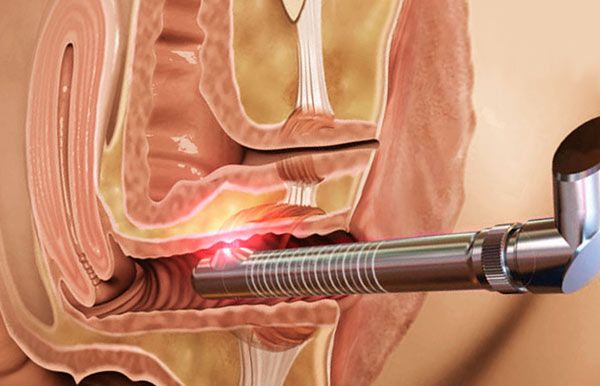
Fractional CO2 vaginal laser treatment
After setting the laser parameters according to the treatment required, we insert the gynaecological handpiece, which includes a scanner, into the vaginal canal, allowing the CO2 laser to act directly on the vaginal and/or urethral mucosa.
This produces immediate and progressive contraction of the vaginal mucosa and/or urethra. Thanks to its biostimulatory effect on the mucosa and subepithelial connective tissue, it stimulates new collagen production, resulting in vaginal and urethral walls that are firmer and more contracted and a mucosa with more cell layers and higher glycogen levels—in other words, healthier mucosa that has been renewed.
When the laser is applied to the vulval labia, it improves their texture and colour.
Which is better: radiofrequency, CO2 gynaecological laser or erbium laser?
Gynaecological results with radiofrequency are more gradual and less pronounced than those obtained with CO2 laser. Erbium laser produces better clinical results than radiofrequency, but less pronounced results than CO2 laser because erbium acts more superficially.
CO2 laser gynaecological treatments:
What is vaginal laxity and when does it occur?
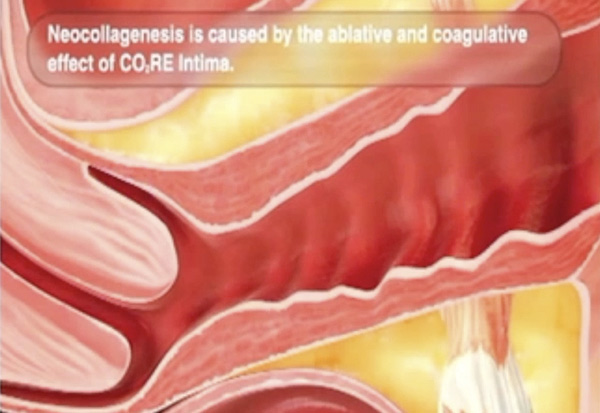
Vaginal laxity is a widening of the vagina to a degree that causes reduced or lost friction and/or decreased sensitivity.
These changes occur in some patients after childbirth or, less commonly, after surgery in this area or as a result of ageing.
The video explains how vaginal laxity is treated with laser.
What is urinary incontinence and when does it occur?
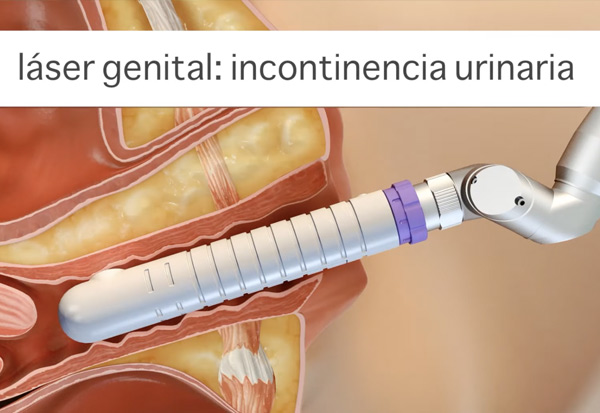
Urinary incontinence may be stress, urge or mixed incontinence and involves involuntary urine leakage.
It commonly occurs in women who have had multiple or difficult deliveries. It may also occur due to reduced oestrogen levels duringmenopause. It is now also seen in highly athletic women (such as runners) with a weak pelvic floor.
Urinary incontinence can affect women’s quality of life, and mild to moderate cases may be treated with CO2 laser.
The text explains how urinary incontinence is treated with laser.
What are postmenopausal dryness and atrophy, and when do they occur?
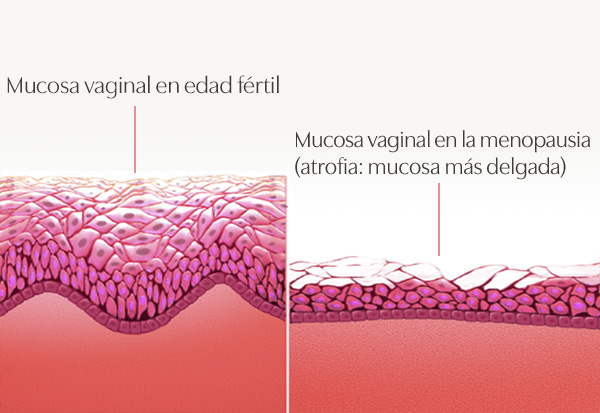
Vulvovaginal dryness and atrophy involve thinning and atrophy of the vagina and vulva and are associated with reduced oestrogen production, caused by surgically induced menopause (hysterectomy), medication such as chemotherapy or radiotherapy, or natural age-related menopause.
With lower oestrogen levels, the vaginal mucosa becomes thinner and drier (with less lubrication), less elastic and more fragile, causing itching, burning and dyspareunia (pain during sexual intercourse).
Patients who have undergone radiotherapy in the genital area may also experience intimate dryness.
These symptoms—dryness, itching, burning and vulvovaginal atrophy—can affect the functional, sexual and aesthetic wellbeing of a woman’s intimate area, and may be reduced with CO2 gynaecological laser treatment.
What is vaginal rejuvenation and when is laser treatment indicated?
Vaginal rejuvenation is a laser treatment designed to improve skin laxity of the mucosa, as well as changes in texture and and pigmentation of the genital area.
These morphological and functional changes are associated with ageing and childbirth, while pigmentation changes in the genital area may also be related to hormonal changes.
Why choose Ribe Clinic for gynaecological laser treatment?
Dr Adriana Ribé has years of experience treating genital conditions and performing vaginal rejuvenation with gynaecological laser. She has developed specific protocols for each condition to achieve the best possible results.
Ribe Clinic also uses advanced CO2 genital laser equipment to treat the gynaecological conditions described above and improve patients’ intimate wellbeing.

Number of CO2 laser sessions
1–3 CO2 laser sessions lasting 20 minutes each without anaesthesia, with one session per month. One maintenance session per year may be recommended.

Aftercare following treatment
- A water-based lubricant may be applied.
- Keep the area clean and wash it with warm water and a gentle cleanser.
- It is advisable to avoid sexual intercourse for 7 days.
- Tampons should not be used for 7 days.
- Follow-up after 7 days.
Frequently asked questions about CO2 gynaecological laser treatment
Why Choose Ribe Clinic

Experience and Exclusivity
Dr Adriana Ribé personally conducts consultations and performs the medical treatments.

Medical Safety
Materials and devices with QR codes and CE certification. Scientifically supported protocols.

Patient Follow-up
Follow-up appointments and direct consultations with the doctor regarding the treatments performed.

Sustainable Clinic
The first aesthetic medicine clinic committed to sustainability.