



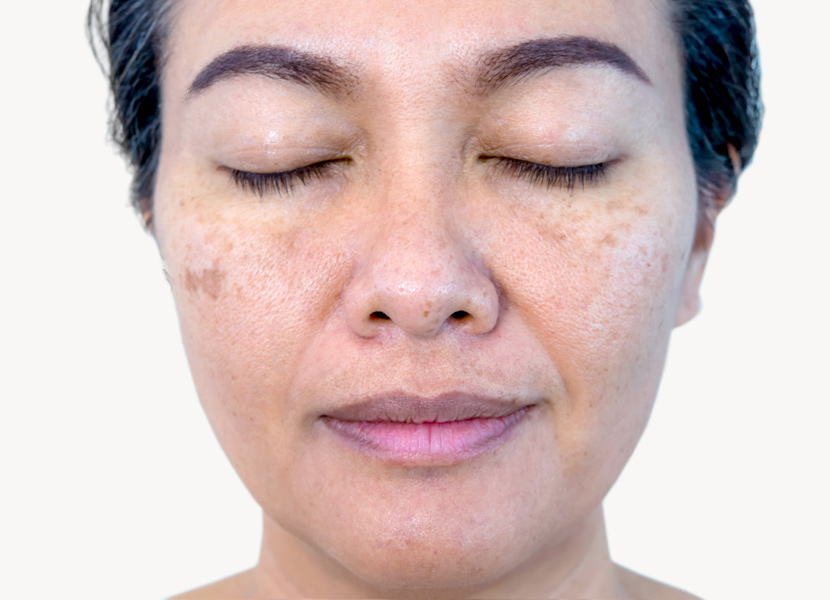
What does a solar lentigo or age spot look like?
Solar lentigines lentigines have a very characteristic appearance: they are flat, with irregular borders and uniform colour, resembling an ink stain.
They usually appear on the areas most exposed to the sun, such as the face, décolletage and hands. They are more common in women, although they also appear in men, usually at a later age.
What does a solar lentigo or age spot look like?
Solar lentigines have a very characteristic appearance: they are flat, with irregular borders and uniform colour, resembling an ink stain.
They usually appear on the areas most exposed to the sun, such as the face, décolletage and hands. They are more common in women, although they also appear in men, usually at a later age.
How can you tell whether a solar lentigo or age spot is malignant?
A lentigo should be assessed by a specialist doctor, as it is essential to differentiate between a solar lentigo also known as an age spot, and a lentigo maligna.
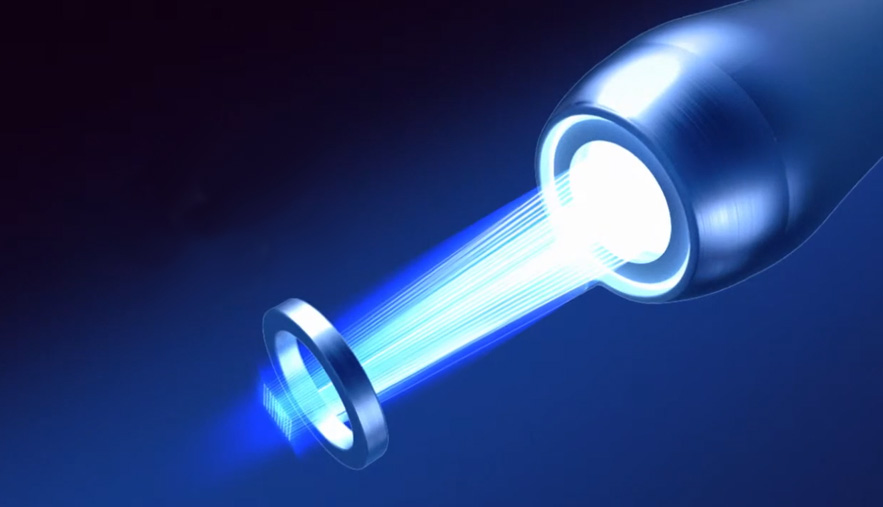
Treatment to remove lentigines
The two most effective technologies for treating solar lentigines are laser and IPL, as they act specifically on the cells that accumulate this melanin in the skin, without damaging the surrounding cells, and remove the age spot or solar lentigo.
It is advisable to treat solar lentigines or age spots as soon as possible after they appear, to prevent them from darkening further.
Causes: why do solar lentigines or age spots appear?
They appear on the skin due to ageing or exposure to ultraviolet radiation from the sun without protection, both in cases of occasional sunburn and through chronic exposure.
In these cases, the sun’s ultraviolet rays stimulate the cells that produce the pigment called melanin, leading to a solar lentigo or age spot.
Lentigines before and after
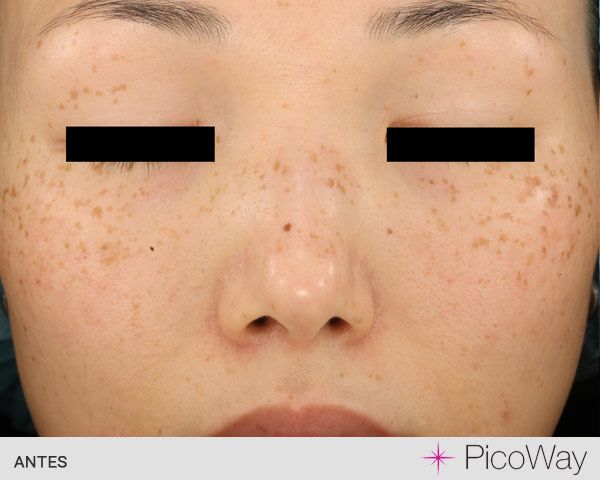
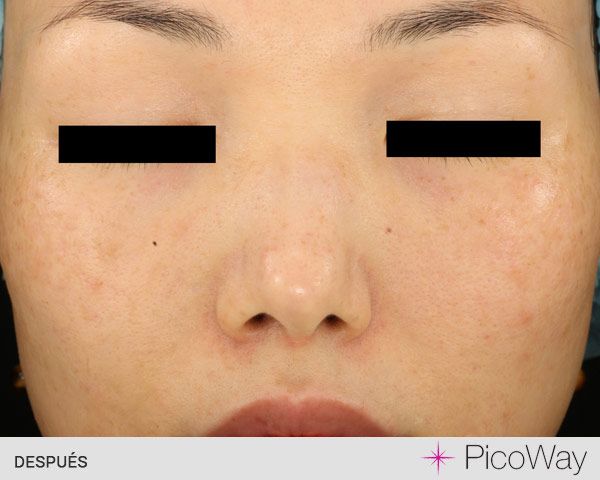

What is the best technology for removing a lentigo?
To remove solar lentigines or age spots from the skin, the most specific laser is the Q-switched Alexandrite laser or, more recently, the picosecond laser.
We also treat lentigines with intense pulsed light (IPL).
One technology or another will be used depending on the number of lentigines, their colour intensity and the patient’s skin phototype. With these technologies, the emitted light destroys the cells with excess pigment without affecting the surrounding tissue.

Sessions to remove a lentigo with laser treatment
Depending on the characteristics of the lentigo and the patient (size, colour, phototype), 1–3 sessions of laser treatment are required to remove the lentigo. Afterwards, the age spot or solar lentigo will become greyish or darker. In a second phase, a scab the size of the lesion will form and will eventually fall off within 5–10 days, leaving the lesion lighter or gone altogether.
After removing a solar lentigo or age spot
During the scabbing process, we recommend a healing cream and protecting yourself from the sun. If you wish, you may cover the scab with make-up, preferably one with SPF 50+.

What is the price of removing a solar lentigo?
The price of removing a lentigo depends on the technology used, the number of sessions required, and the number and size of the lentigines.
Frequently asked questions
Why Choose Ribe Clinic

Experience and Exclusivity
Dr Adriana Ribé personally conducts consultations and performs the medical treatments.
Medical Safety
Materials and devices with QR codes and CE certification. Scientifically supported protocols.
Patient Follow-up
Follow-up appointments and direct consultations with the doctor regarding the treatments performed.
Sustainable Clinic
The first aesthetic medicine clinic committed to sustainability.