



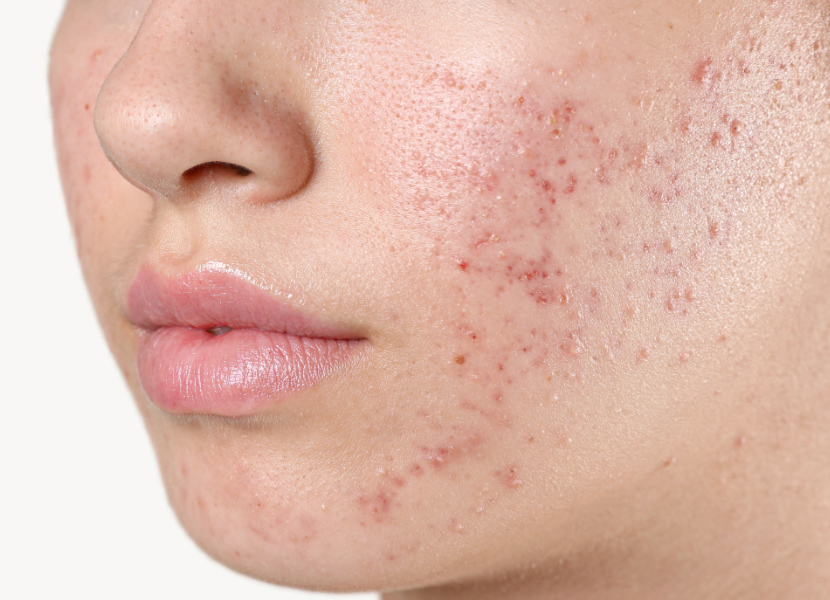
The juvenile acne is the most common type. An estimated 80% of adolescents and young adults between the ages of 11 and 30 experience outbreaks of spots and blackheads at some point. Even so, some people develop acne after the age of 40 or 50; this is known as adult acne. It is usually linked to a genetic predisposition, hormonal factors, smoking, stress or certain medications.
The juvenile acne is the most common type. An estimated 80% of adolescents and young adults between the ages of 11 and 30 experience outbreaks of spots and blackheads at some point. Even so, some people develop acne after the age of 40 or 50; this is known as adult acne. It is usually linked to a genetic predisposition, hormonal factors, smoking, stress or certain medications.
Can acne be eliminated?
Once the factors that cause acne and the type of acne have been identified, they can both be treated with highly satisfactory results.
What is acne treatment at Ribe Clinic like?
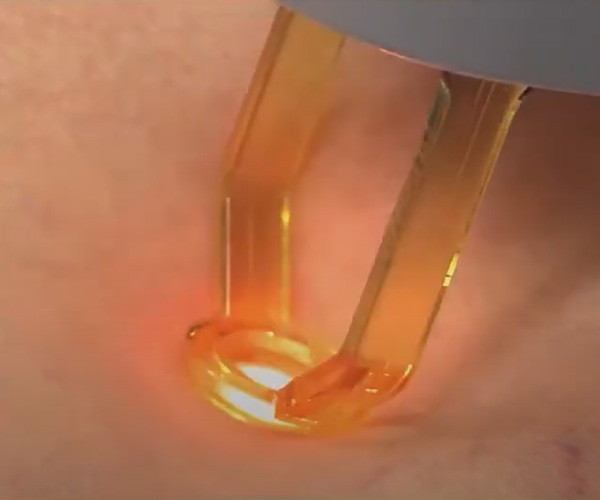
Light-based treatments for active acne are performed using IPL and/or LEDs (low-intensity laser light) and, when marks or scars are present, we use non-ablative Fraxel fractional laser or ablative CO2 laser.
Acne treatment usually requires a combination of different techniques, so we can combine laser technology with medical peels, medication, creams and care guidelines for the patient to follow at home.
Types of acne
At Ribe Clinic, we carry out an initial consultation to assess the type and severity of acne and recommend the most appropriate treatment for spots and blackheads, either as a standalone therapy or through a combination of techniques.
We treat different types of acne:
Acne treatment in Barcelona at Ribe Clinic
Laser
The laser stimulates the formation of new collagen in the dermis and remodels existing collagen, gradually helping to “fill in” the scar. It also regenerates the atrophic, depressed epidermis. In this way, skin scars gradually become smoother and may be reduced by up to 80%.
The results of laser treatment for scars depend on the number of sessions, the type of scar and each patient’s individual response, as this is a regenerative treatment.
The Fraxel laser is suitable for all skin phototypes and for mild to severe scars. The CO2 laser is recommended for skin phototypes 1–3 and for moderate and/or severe scars. The picosecond laser is suitable for all skin phototypes, particularly Asian skin, and for mild to moderate scars. Laser treatment is especially suitable for patients seeking mild side effects, such as redness and swelling.
IPL
It reduces acne by destroying the bacteria that cause it and decreasing the resulting inflammation. Pulsed light also reduces the appearance of acne scars , making IPL a highly comprehensive acne treatment. More information
LEDs
We use a lamp with multiple LEDs of different wavelengths and colours, depending on the case. The natural biological effects of light are used to repair and stimulate cells. More information
Medical peels
They help reduce and regulate sebum production and inflammation, while helping to prevent acne marks. The number of peels required will depend on the severity of the acne. More information
Medical creams
We recommend different medical products for cleansing the skin and creams with formulations tailored to each patient, with the aim of removing impurities and dead skin cells, regulating sebum production or detoxifying the skin. More information
Medication
Depending on severity, antibiotics, isotretinoin or hormonal treatments may be prescribed.
Nutritional advice
We recommend reducing the consumption of high-glycaemic-index foods, increasing omega-3 fatty acid intake, moderating dairy products, increasing antioxidant and zinc intake, avoiding excessive saturated and trans fats, supporting the gut microbiota and staying well hydrated.
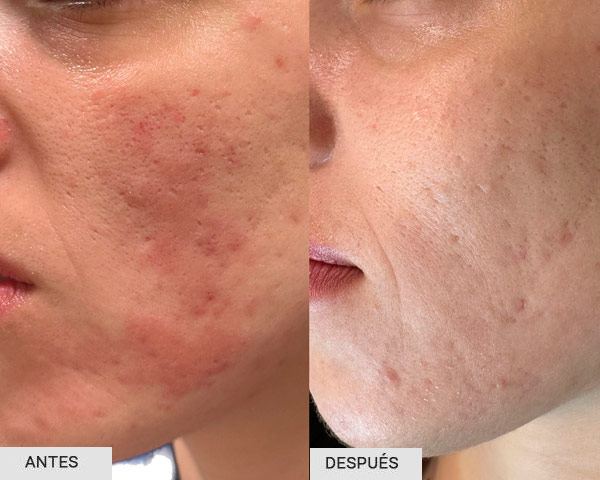
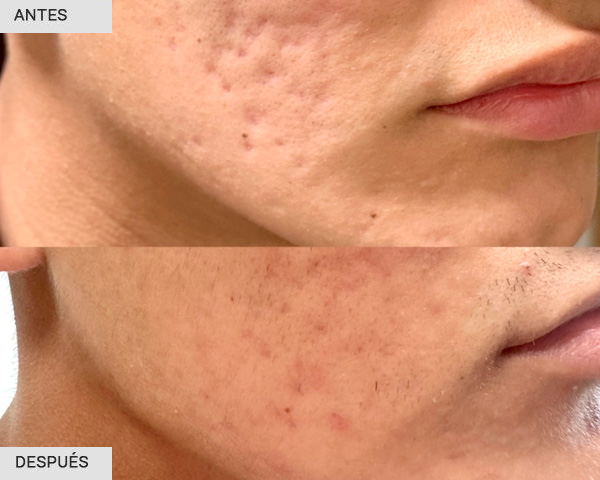
Acne before and after at Ribe Clinic
Why choose Ribe Clinic for acne treatment?
Dr Adriana Ribé is a dermatopathologist specialising in acne and facial breakouts. She has extensive experience with the latest medical technology for acne treatment and has established specific protocols for each type of acne with a high success rate.
In addition, at Ribe Clinic, we take part in medical research into new technologies for acne treatment, giving us first-hand knowledge of the latest research and the results achieved with the most innovative technologies.
Can mild acne be eliminated?
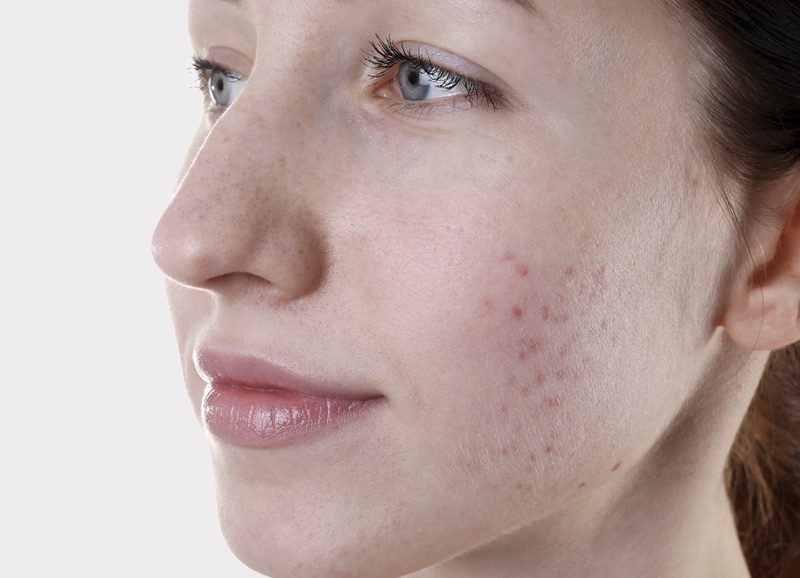
Mild acne mainly presents as blackheads, whiteheads, papules and pustules on the skin. It does not usually cause permanent scarring and is easier to treat with over-the-counter products containing ingredients such as benzoyl peroxide, salicylic acid or glycolic acid, together with appropriate cleansing.
Maintaining a good skincare routine and avoiding factors that clog the pores can help control this type of acne.
Treatment for mild acne
- Proper skin cleansing with suitable products
Cleanse the face morning and evening using products specifically formulated for oily or combination skin, or acne-prone skin. Probiotic products are also available to support the skin microbiome.
- Creams for acne or with a mattifying effect
Creams used to prevent and treat acne may contain active ingredients such as benzoyl peroxide, salicylic acid, azelaic acid, retinoids, niacinamide, glycolic acid and zinc, among others.
- At-home or medical peels
The aim is to achieve controlled exfoliation in order to reduce and regulate sebum production and inflammation, while helping to prevent acne marks.
- LEDs
LED masks used in the clinic or at home to reduce bacteria and inflammation.
- Topical treatments on acne-affected areas
Benzoyl peroxide, topical retinoids and topical antibiotics such as erythromycin and clindamycin.
Can moderate to severe acne be eliminated?
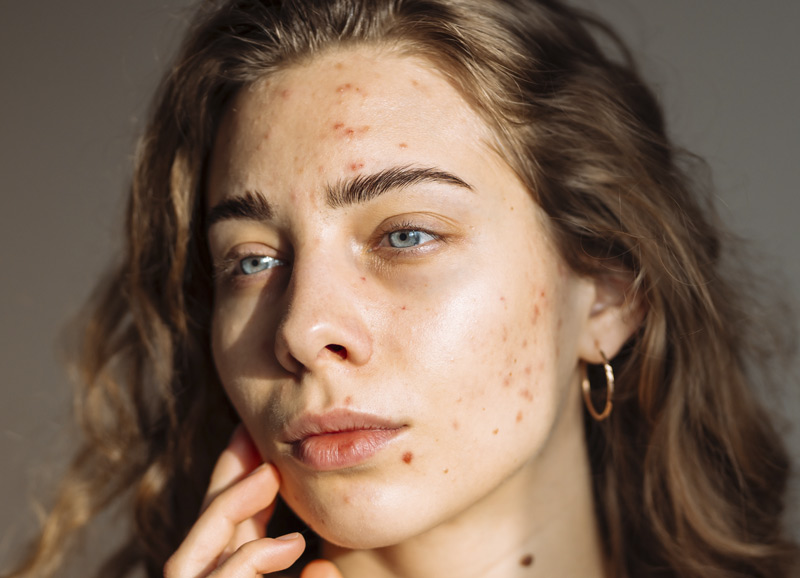
Moderate to severe acne is a serious form of acne characterised by the presence of numerous pustules, nodules and large, painful cysts, which can cause permanent scarring. It may be inflammatory, causing redness and swelling.
This type of acne requires medical treatment. Early and appropriate intervention is essential to prevent scarring and control symptoms.
Treatment for moderate and severe acne
- Medication
Depending on severity, antibiotics, isotretinoin or hormonal treatments. If treatment involves antibiotics, the response is usually gradual, so treatment generally lasts between one and three months, depending on progress. The hormonal treatment is effective whether or not hyperandrogenism is present. It may include cyproterone acetate, drospirenone, spironolactone or flutamide.
- Photodynamic medical peels
Approximately four peels, one every one or two weeks, using active ingredients that control sebum production and inflammation and are activated by LED light (photodynamic peel).
- LEDs (low-power laser)
Blue light is used to combat Propionebacterium acne and red light to reduce inflammation. Treatment involves 5 to 10 sessions, once a week during the first month and then once every two weeks, depending on the individual case.
- IPL
For acne cases with red post-acne marks.
- Fractional laser
It is used for post-acne scars. Depending on the severity of the marks and scars, an ablative or non-ablative fractional laser will be used.
At-home treatment for severe acne
- Oral treatment: antibiotics and isotretinoin
In these patients, the response to antibiotic treatment is very gradual, so longer courses lasting one to three months are recommended. In some cases, isotretinoin may be prescribed depending on progress and severity.
- Topical treatment
A facial cleansing routine to remove impurities and regulate sebum production. Specific creams are recommended according to acne severity and skin type.
Frequently asked questions
Why Choose Ribe Clinic
Experience and Exclusivity
Dr Adriana Ribé personally conducts consultations and performs the medical treatments.
Medical Safety
Materials and devices with QR codes and CE certification. Scientifically supported protocols.
Patient Follow-up
Follow-up appointments and direct consultations with the doctor regarding the treatments performed.

Sustainable Clinic
The first aesthetic medicine clinic committed to sustainability.