IPL or intense pulsed light for acne

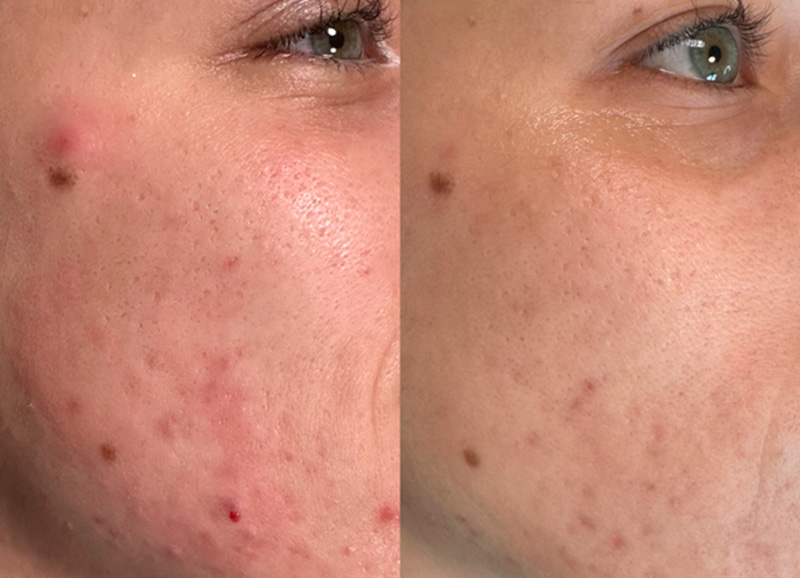
Intense pulsed light (IPL) treatment for acne is performed with precision, using targeted light pulses on the area being treated.

At Ribe Clinic, to minimise discomfort during IPL treatment, we combine the session with cold air or a cooled handpiece applied at the same time as each IPL pulse.

Request an appointment

IPL acné

IPL or intense pulsed light for acne

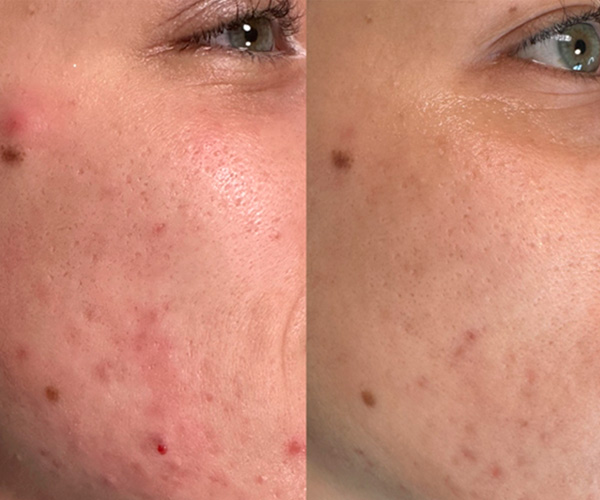
Intense pulsed light (IPL) treatment for acne is performed with precision, using targeted light pulses on the area being treated.

At Ribe Clinic, to minimise discomfort during IPL treatment, we combine the session with cold air or a cooled handpiece applied at the same time as each IPL pulse.

Request an appointment

How does IPL work on acne?

It reduces acne by targeting the bacteria that contribute to it and the inflammation it causes. In addition, intense pulsed light helps reduce acne scarring , making IPL a comprehensive acne treatment.

What do you need to know before IPL treatment for acne?

We recommend avoiding tanning, although it is not strictly contraindicated, because although IPL is set to target bacteria and inflammation, the skin always contains chromophores such as melanin. You may be exposed to the sun a few days after treatment, provided you use a high level of sun protection.

What are the side effects of the treatment?

After an IPL session for acne, slight swelling may appear in each treated area and gradually subsides within a few hours. You can return to your normal activities.

“IPL or intense pulsed light treatment for acne is safe and effective for acne, and it also helps reduce acne scarring.

It should be fully personalised, using the appropriate equipment and under expert medical supervision, as recommended by the Spanish Society of Aesthetic Medicine (SEME).”

Explains Dr Adriana Ribé.

Price
Depends on the size of the area to be treated.
From €200

Sessions
2 to 4, with only one session per month. It depends on whether IPL is used alone or as part of a combined treatment.

Results
After one week (depending on the severity of the acne)

When to have it
All year round, provided medical guidance is followed

Request an appointment at Ribe Clinic

    I've read and accept the Privacy policy

    dra. adriana ribe

    Dr Adriana Ribé

    Medical registration no. 29204

    It is important that IPL treatment for acne is carried out by a dermatologist or a suitably trained professional, as the intensity and wavelength of the light must be adjusted to suit the skin type and severity of the acne. The practitioner can also provide aftercare advice, which may include using sunscreen and avoiding excessive sun exposure to protect the treated skin.


    logo_generalitat_salut

    sesiones

    Number of IPL sessions for acne

    The number of IPL sessions required for acne varies according to its severity and skin type. In general, 2 to 4 sessions are recommended (1 session per month). Each session lasts between 20 and 45 minutes, depending on the area being treated.

    Dr Adriana Ribé recommends starting treatment as soon as the acne begins to show signs of becoming severe.
    sesiones

    Aftercare

    After an IPL session, the skin may be slightly red. We recommend the following aftercare after an IPL or intense pulsed light session for acne:

    • Cleanse the skin morning and evening.
    • Apply a soothing/moisturising cream (twice a day for 15–30 days).
    • Use very high sun protection (SPF 50+) on treated areas if exposed to the sun.

    Frequently asked questions about IPL for acne

    Intense pulsed light (IPL) is a non-invasive treatment that uses high-intensity light pulses to treat a range of skin conditions, including acne. This is how IPL works and what it can do in acne treatment:

    1. Reduction in sebum production:
      • Intense pulsed light penetrates the layers of the skin and destroys and/or reduces overactive sebaceous glands, decreasing sebum production, one of the main factors involved in acne.
    2. Targeting bacteria:
      • IPL emits light across a range of wavelengths that can destroy Propionibacterium acnes (P. acnes) bacteria, which contribute to inflammatory acne breakouts.
    3. Reduction in inflammation:
      • The light energy can help reduce inflammation and redness associated with active acne, helping the skin appear clearer and calmer.
    4. Improved skin texture and tone:
      • IPL can also stimulate collagen production, improving skin texture and tone and helping to minimise acne scars and post-inflammatory marks.
    5. Treatment of hyperpigmentation:
      • IPL can be effective in reducing post-inflammatory hyperpigmentation, the dark marks that can remain after acne lesions have healed.

    After intense pulsed light (IPL) treatment for acne, it is normal to experience some temporary effects on the skin. The following may occur immediately after treatment and over the next few days:

    1. Redness:
      • The skin may be red and sensitive, similar to mild sunburn. This redness generally lasts from a few hours to a couple of days.
    2. Swelling:
      • Mild swelling may occur in the treated areas and usually subsides within one or two days.
    3. Darkening of lesions:
      • Acne marks and scars may temporarily darken before they begin to fade. This is part of the skin healing and regeneration process.
    4. Crusting or flaking:
      • In some cases, small crusts or flaking may occur, particularly in areas where there were deeper acne lesions or pigmentation.
    5. Warmth:
      • The skin may feel warm or slightly burning immediately after treatment, but this usually subsides within a few hours.
    6. Skin texture:
      • The skin may feel softer and smoother once the initial redness and swelling have subsided.

    To support recovery and maximise the results of IPL treatment for acne, it is important to follow these aftercare recommendations:

    • Sun protection: Use broad-spectrum sunscreen every day and avoid direct sun exposure for at least one week after treatment.
    • Gentle skincare: Avoid harsh products, exfoliants or acids for a few days. Choose gentle cleansers and moisturisers.
    • Hydration: Keep the skin well moisturised to support the healing process.
    • Avoid heat: Do not expose the skin to intense heat, such as saunas or hot baths, for at least 48 hours after treatment.

    In general, the side effects of IPL or intense pulsed light treatment for acne are mild and temporary. Visible results, such as a reduction in acne and improvements in skin texture and tone, are usually gradual and may require several sessions to achieve the desired effect. It is always advisable to discuss expectations and possible side effects with the practitioner before starting treatment.

    IPL (intense pulsed light) does not directly eliminate acne permanently, but it can be effective in reducing symptoms and improving the appearance of acne-affected skin. IPL works mainly by destroying Propionibacterium acnes (P. acnes) bacteria, which are responsible for the inflammation associated with acne. It also helps reduce sebum production and improve overall skin texture.

    Regular IPL treatments can help reduce the frequency and severity of acne breakouts and improve the appearance of scars and post-inflammatory marks. However, treatment success can vary according to the severity of the acne and individual skin characteristics. It is important to consult a dermatologist to determine whether IPL treatment is suitable for your skin type and specific acne condition.

    After an IPL session for acne, it is essential to protect the skin from the sun by using broad-spectrum sunscreen and avoiding direct sun exposure for at least one week. Moisturising the skin with a gentle cream and drinking enough water will support recovery. Avoid irritating products such as retinoids and exfoliating acids, as well as heavy make-up. Wash your face with a gentle cleanser twice a day and avoid hot baths and saunas, which may irritate treated skin. If you experience persistent irritation or adverse reactions, contact your dermatologist for further advice and appropriate follow-up.

    Why Choose Ribe Clinic

    TREATMENTS PERFORMED BY DOCTORS

    Experience and Exclusivity

    Dr Adriana Ribé personally conducts consultations and performs the medical treatments.
    safe treatments at Ribe Clinic

    Medical Safety

    Materials and devices with QR codes and CE certification. Scientifically supported protocols.

    Follow-up throughout treatment

    Patient Follow-up

    Follow-up appointments and direct consultations with the doctor regarding the treatments performed.

    sustainable clinic Ribe Clinic

    Sustainable Clinic

    The first aesthetic medicine clinic committed to sustainability.

    WE CAN HELP YOU
    Book an initial consultation with us