Can moles or nevus be removed from the skin?

With CO2 laser technology, moles can be removed safely and effectively, leaving the skin healthy and free of the lesion.

Request an appointment at Ribe Clinic

lentigines facial treatments

Can moles or naevi be removed from the skin?

With CO2 laser technology, moles can be removed safely and effectively, leaving the skin healthy and free of the lesion.

Request an appointment at Ribe Clinic

tratamientos faciales nevus

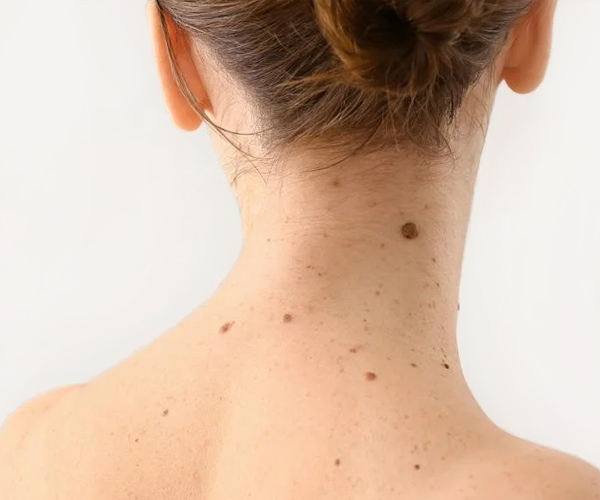
What does a naevus or mole look like?

These moles or naevi on the face may be flat or raised, without atypia or with clinical atypia, and can be removed with laser treatment or, in the case of malignant moles or those with atypia, with surgery. A medical diagnosis before treatment is very important.

What does a naevus or mole look like?

These moles or naevi on the face may be flat or raised, without atypia or with clinical atypia, and can be removed with laser treatment or, in the case of malignant moles or those with atypia, with surgery. A medical diagnosis before treatment is very important.

How can you tell whether a nevus or mole is malignant?

A mole or naevus should be assessed by a specialist doctor, as it is essential to differentiate between a malignant mole with atypia and one without atypia. The borders of the lesion, colour uniformity, presence of bleeding or ulceration and dermoscopic findings are examined.
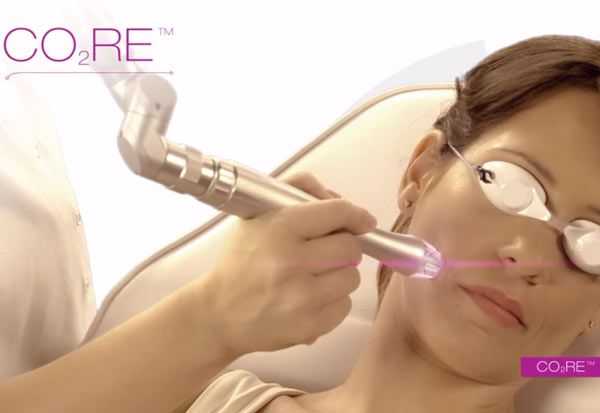
láser para eliminar lentigos

Treatment to remove naevi or moles

Melanocytic naevi without atypia are removed with surgical CO2 laser treatment. It is a quick and effective treatment, without incisions or stitches.

An anaesthetic cream is applied over the naevus and, after 15 minutes, the naevus is vaporised with the laser.

In the case of pigmented lesions with atypia, a biopsy is taken and analysed by a dermatopathologist.

Causes: why do moles or naevi appear?

Moles or naevi are a proliferation of cells called melanocytes, which are responsible for producing the skin pigment or melatonin.

They usually appear due to genetic factors, excessive sun exposure and hormonal changes, such as during puberty or pregnancy.

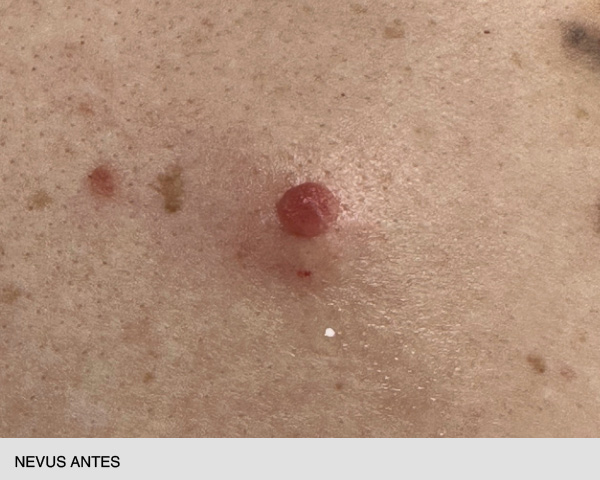
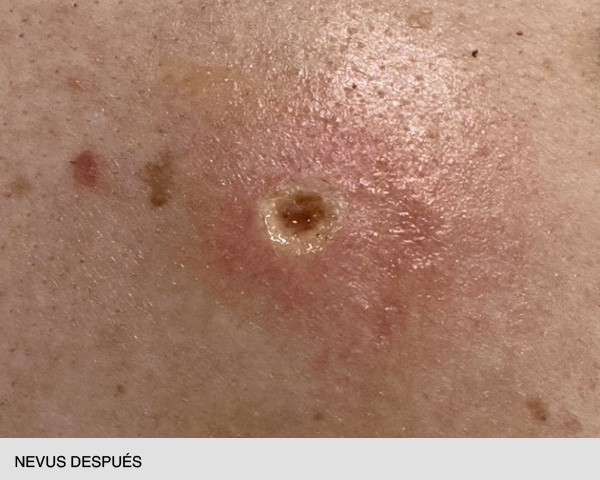
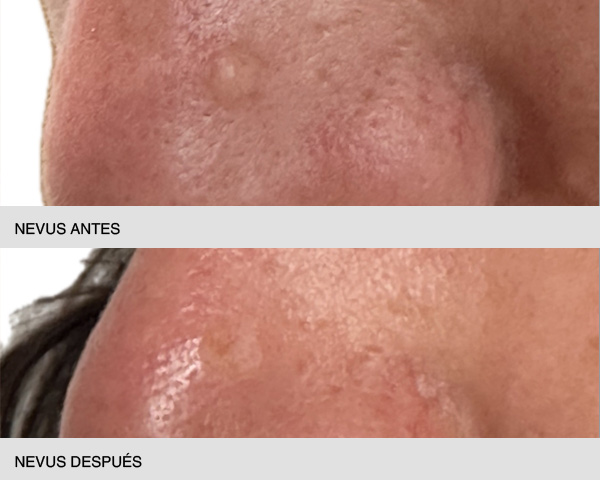
Naevi and moles before and after
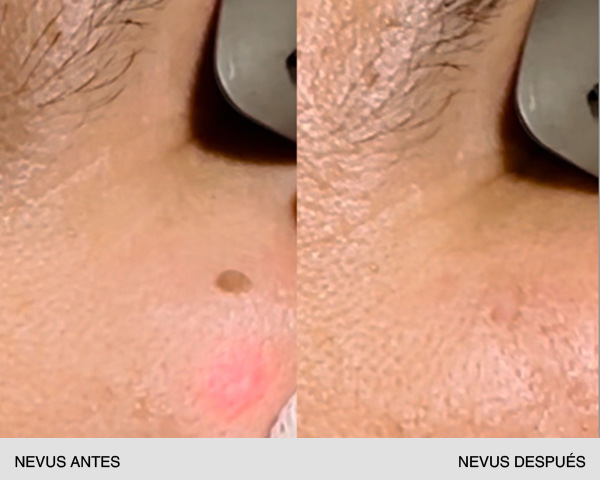
quitar nevus antes y después
quitar nevus antesquitar nevus después
quitar nevus intradérmico antes y después
indications

What is the best technology for removing a naevus?

The best technology for removing a naevus or mole is the CO₂ laser, as it is a highly effective option due to its precision and aesthetic outcome. However, for malignant moles or naevi with atypia, surgical excision with complete removal is the most recommended option. For this reason, it is always essential for the naevus to be assessed by a doctor.

sessions

Laser sessions to remove a naevus

To remove a mole with laser treatment, in most cases, a single 2–5 minute session is required, although additional sessions may be required depending on the size, location and specific characteristics of the mole. The exact number will be determined after assessment by a specialist, as every case is unique. After laser treatment, a scab the size of the lesion will form and will eventually fall off in 5–10.
sessions

After removing a mole or naevus

It is recommended to use a healing cream for 5–10 days and sun protection. If you wish, you may cover the scab with make-up, preferably one with SPF 50+.

price

What is the price of removing a naevus?

The price of removing a naevus or mole depends on the size of the lesion. From €180.

Frequently asked questions

Facial lesions of the naevus type are commonly known as moles. Naevi are a proliferation of cells called melanocytes that cluster in nests. They may be located in the dermis, epidermis or both. This gives rise to intradermal, junctional or compound naevi.

To remove a naevus with clinical atypia, it must be surgically excised to obtain safe surgical resection margins and allow histopathological analysis of the lesion.

When a naevus has no atypia, it can be removed with surgery or laser treatment, but laser removal is preferable because the technique is quick, does not require surgical stitches and provides a better aesthetic result.

First, the doctor assesses the pigmented lesion: its colour, borders and the presence or absence of bleeding or scabbing, which makes it possible to establish a diagnosis. If it is a naevus lesion without atypia, laser removal is proposed as treatment.

When the naevus is removed with laser treatment, anaesthetic cream is applied or anaesthetic is injected, around 15 minutes are allowed to pass, and the lesion is vaporised with the laser until it is flat. The lesion disappears completely after the laser session. After laser treatment of the naevus, a scab forms and remains for 5–15 days before falling off, leaving a flat, pink area. The laser that vaporises the lesion also produces haemostasis through its heat, so there is no bleeding.

After laser treatment of the naevus, normal activities can be resumed. It is only recommended to apply a healing cream with sun protection for around 5–15 days and then attend a follow-up appointment after 30 days.

In some cases, if residual lesion remains, the laser treatment will need to be repeated. It is always preferable to repeat treatment rather than be too aggressive during the first session and leave a depression in the area of the mole.

First, the doctor assesses the pigmented lesion: its colour, borders and the presence or absence of bleeding or scabbing, which makes it possible to establish a diagnosis. Lesions with uniform colour, regular borders, no recent growth or change and no bleeding are diagnosed as naevus lesions without atypia.

If it is a naevus lesion without atypia, laser removal is proposed as an option. When the naevus is removed with laser treatment, anaesthetic cream is applied or anaesthetic is injected, around 15 minutes are allowed to pass, and the lesion is vaporised with the laser until it is flat. The lesion disappears completely after the laser session. After laser treatment of the naevus, a scab forms and remains for 5–15 days before falling off, leaving a flat, pink area.

In other cases, lesions may have irregular colour (several shades of brown or very pale areas), irregular borders, recent growth, change or bleeding, and dermoscopic criteria of atypia. These are diagnosed as naevus lesions with atypia. When the naevus has clinical atypia, it is surgically excised to obtain safe surgical resection margins and allow histopathological analysis of the lesion.

Treatment to remove moles or naevi is indicated in the following cases:

  • When a mole changes in size, shape, colour or texture and requires medical assessment.
  • If it causes physical discomfort, such as rubbing or irritation.
  • For aesthetic reasons, when the patient wishes to improve the appearance of their skin.
  • When there is a dermatological recommendation, to rule out associated risks.

CO2 laser treatment to remove naevi is effective and safe. It selectively treats the naevus without damaging the surrounding skin.

A CO2 laser session to remove a naevus lasts around 5–15 minutes. Warmth is felt on the skin, but patients do not describe it as painful. In addition, we use anaesthetic cream or inject anaesthetic before starting the treatment.

Removing naevi or moles with a CO₂ laser is a safe procedure, but, as with any treatment, it may have mild and temporary side effects:

  • Redness and swelling in the treated area.
  • A small scab or flaking, which disappears within a few days.
  • Hypopigmentation or hyperpigmentation (the skin may temporarily become lighter or darker).
  • In rare cases, a scar may remain if the lesion is very deep or aftercare is inadequate.

Generally, when a mole or naevus is completely and professionally removed, it does not grow back. However, if pigmented cells remain in the area, it may reappear over time or a similar mole may form nearby. Recurrence is more common in hairy naevi.

It is important that removal is performed by a specialist to ensure both medical safety and the aesthetic outcome.

Why Choose Ribe Clinic

TREATMENTS PERFORMED BY DOCTORS

Experience and Exclusivity

Dr Adriana Ribé personally conducts consultations and performs the medical treatments.
safe treatments at Ribe Clinic

Medical Safety

Materials and devices with QR codes and CE certification. Scientifically supported protocols.
Follow-up throughout treatment

Patient Follow-up

Follow-up appointments and direct consultations with the doctor regarding the treatments performed.

sustainable clinic Ribe Clinic

Sustainable Clinic

The first aesthetic medicine clinic committed to sustainability.

WE CAN HELP YOU
Book an initial consultation with us