


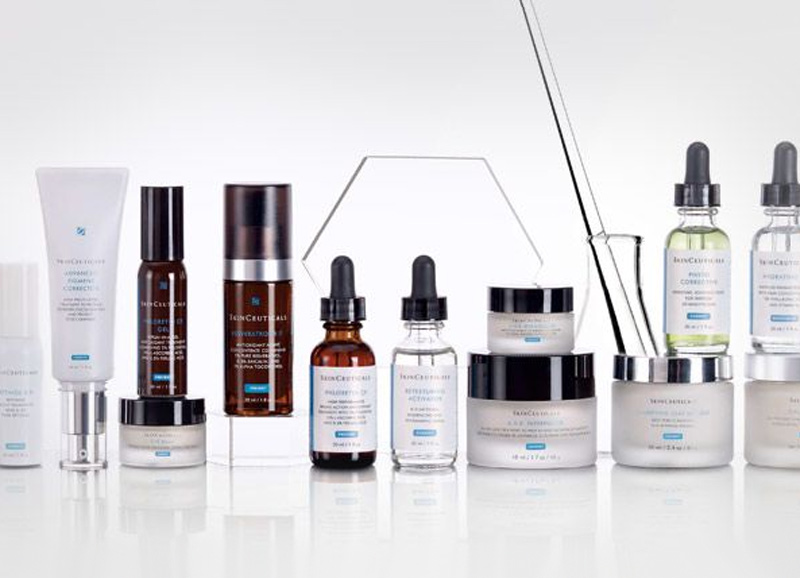
Melasma is a chronic pigmentation condition and requires long-term treatment. In most cases, treatment is combined: medical depigmenting creams, oral supplements and laser treatment (not all lasers are indicated).
Treating melasma with medical creams
Oral supplements
Tablets containing antioxidant ingredients (vitamin C, glutathione, pycnogenol), extracts of a fern with antioxidant and photoprotective properties (Polypodium leucotomos), among others.
Laser treatment
At Ribe Clinic, we will assess your case and, if we consider it necessary, recommend laser treatment combined with medical creams to reduce or remove the appearance of melasma.
Creams for melasma
At-home creams form part of the medical treatment of melasma, helping to enhance and maintain the results achieved with treatment.
Creams with SPF 50+ sun protection
Ultraviolet radiation, infrared radiation and blue light can worsen melasma. These types of radiation are present throughout the year, so creams that protect against them should be used consistently, both to treat melasma and to help prevent it.
What is the best cream for melasma?
There is no single “best cream” for melasma, as it depends on the skin type, the severity of the melasma, the individual response to treatment and the cause of the melasma. However, some active ingredients are more effective than others.
- Hydroquinone
A depigmenting agent that reduces melanin production in the skin.
- Azelaic acid
A naturally occurring acid with depigmenting properties.
- Tretinoin (retinoids)
A vitamin A derivative that accelerates cell renewal and helps break down melanin-containing cells.
- Vitamin C (ascorbic acid)
A powerful antioxidant that helps brighten the skin and reduce the appearance of pigmentation.
- Kojic acid
A fungal-derived ingredient known for its depigmenting properties.
- Niacinamide (vitamin B3)
An anti-inflammatory ingredient that helps brighten the skin and reduce melanin production.
- Glycolic acid
A mild chemical exfoliant that removes dead skin cells and helps lighten pigmentation.
- Tranexamic acid
It is a lysine derivative whose authorised indication is to prevent or reduce bleeding for a short period of time. It has also been shown to reduce melanocyte activation through the inflammatory pathway.
Frequently asked questions about creams for melasma
Why Choose Ribe Clinic

Experience and Exclusivity
Dr Adriana Ribé personally conducts consultations and performs the medical treatments.

Medical Safety
Materials and devices with QR codes and CE certification. Scientifically supported protocols.

Patient Follow-up
Follow-up appointments and direct consultations with the doctor regarding the treatments performed.

Sustainable Clinic
The first aesthetic medicine clinic committed to sustainability.