What is melasma and how can it be treated?

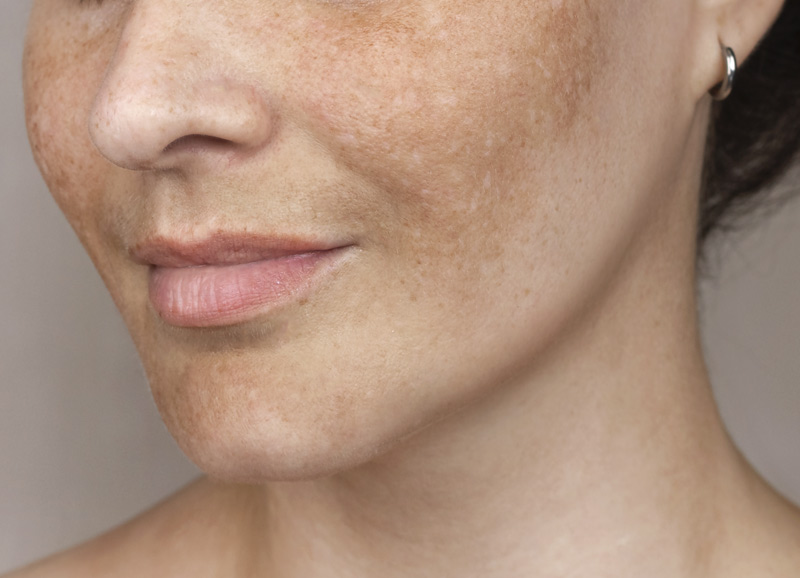
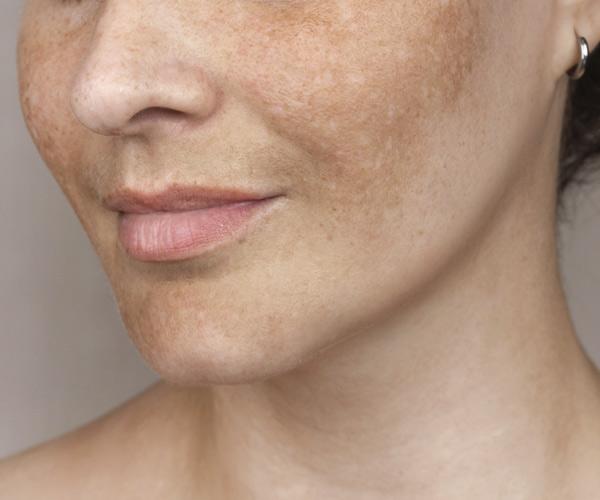
Melasma causes areas of hyperpigmentation that appear on the cheeks, upper lip and forehead, and usually worsen significantly in summer and with sun exposure.

Request an appointment

melasma facial

What is melasma and how can it be treated?

Melasma causes areas of hyperpigmentation that appear on the cheeks, upper lip and forehead, and usually worsen significantly in summer and with sun exposure.

Request an appointment

Can melasma be removed permanently?

Treating facial melasma is complex and requires long-term treatment, as it is a chronic pigmentation condition that cannot be permanently eliminated, although in many cases it can be significantly reduced.

I always tell my patients that a chronic condition requires ongoing treatment. Melasma treatment may involve a single therapy or a combination of treatments, including laser treatment (only certain lasers are approved), medical creams, oral medication and supplements, as well as sun protection.

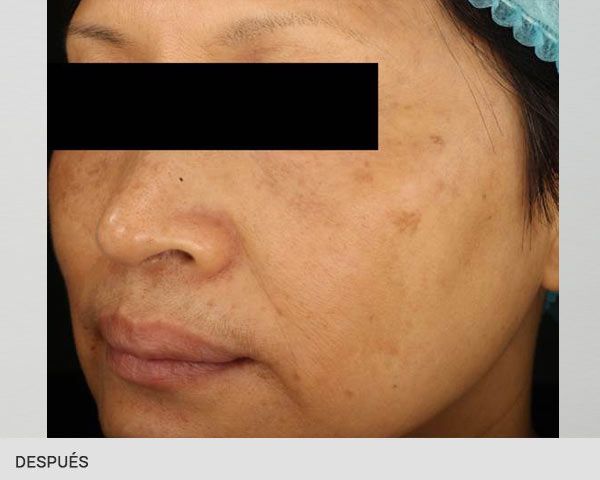
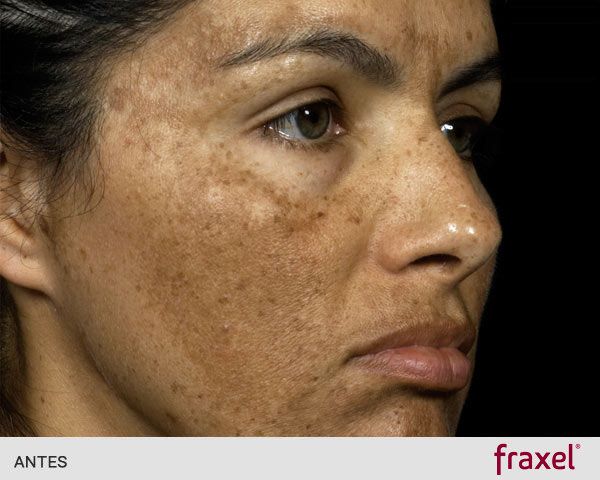
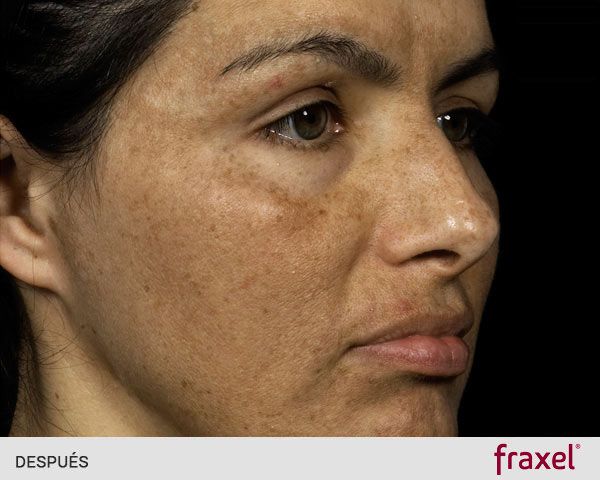
Melasma before and after
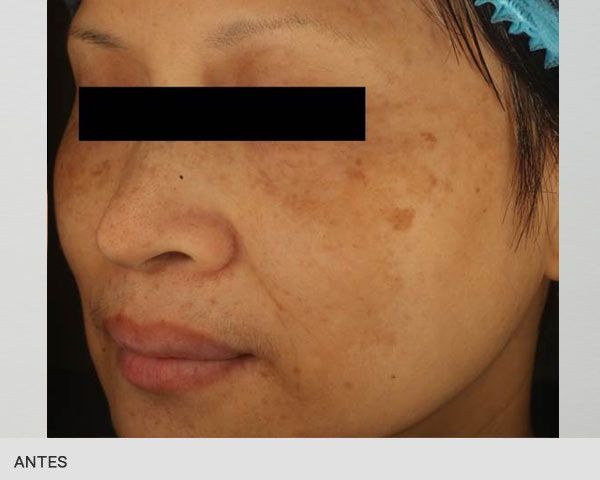
melasma picoway antes_ribe_clinicEliminar melasma definitivamente
Quitar melasmaQuitar melasma

Causes: why does melasma develop?

Melasma usually has a hormonal cause, whether due to pregnancy, hormonal treatments or even thyroid disorders or conditions affecting other endocrine organs. Once melasma appears on the face, it worsens in summer and with sun exposure at any time of year, even with indoor or outdoor light on cloudy days and with heat.

Melasma treatment at Ribe Clinic

The aim of melasma treatment is to lighten the pigmentation and reduce facial melasma as much as possible.

There are two approaches:

medical creams

Creams

A thin layer of cream is applied to the face daily to reduce the continuous production of pigment (melanin) by melanocytes:

  • Depigmenting creams
  • Sun protection against UV rays, infrared radiation and blue light

Treatment of melasma with creams lasts for a minimum of 6 months.

medical laser treatment

Fraxel laser

The only laser approved by the FDA. We use the 1927 nm Fraxel laser once melanocyte pigment production is under control, whether with depigmenting creams, oral medication or supplements. In this way, one week after laser treatment, we aim to avoid a rebound effect with increased pigmentation.

Treatment involves 1 Fraxel laser session every 30 days (around 4 sessions)

Picosecond laser

A cold laser that is useful in the treatment of melasma because its thermal effect on melanocytes is minimal, helping to avoid a flare-up. More sessions are needed than with other lasers, but the treatments are gentler and are performed more frequently. We always aim to reduce melanocyte pigment production before laser treatment, whether with depigmenting creams, oral medication or supplements.

Treatment involves 1 picosecond laser session every 15–30 days (around 4–8 sessions).

Laser treatment for melasma is combined with exfoliating creams containing depigmenting ingredients, oral medication or supplements.

Frequently asked questions about melasma treatment with laser and creams

Melasma can worsen due to factors such as:

  1. Sun exposure (ultraviolet radiation). Ultraviolet radiation is the main reason why melasma worsens or recurs, even with indirect sun exposure.
  2. Hormonal changes due to pregnancy, the use of hormonal contraceptives, fertility treatments, menopause or some treatments for alopecia.
  3. Certain medicines can worsen melasma because they may increase the skin’s sensitivity to the sun or affect hormonal balance. These generally include oral contraceptives, hormonal treatments and photosensitising medicines, such as some antibiotics, diuretics and blood pressure medicines.
  4. Genetic factors. People with a family history of melasma are more likely to develop it.
  5. Certain cosmetics or skincare products may be irritating, such as harsh exfoliants, creams containing alcohol or fragrances.
  6. Stress: it is not known exactly how stress affects melasma, but hormonal changes caused by stress are thought to worsen it.
  7. Changes in temperature and humidity. In hot or very humid environments, sweating and skin irritation are common and may have a negative effect on melasma.

Permanent removal of melasma cannot be guaranteed in every case, but there are treatments that can significantly reduce it, making it much less noticeable. In some areas, the pigmentation may even disappear completely, particularly when preventive and maintenance treatments are followed.

It is very difficult, if not impossible, to remove melasma completely with natural treatments, although its appearance may improve. If melasma is an aesthetic concern, laser treatment combined with creams selected for each individual case is recommended.

Home remedies are unlikely to remove melasma, although they may lighten it slightly, which may be sufficient if the melasma is not very severe. If you have more complex melasma that is an aesthetic concern, laser treatment is the preferred option. Although it may not remove the melasma completely, it can achieve very good and longer-lasting results, particularly when combined with the appropriate creams.

We use two types of laser for facial melasma:

  • Fraxel laser: the only laser approved by the FDA. We use the 1927 nm Fraxel laser for melasma once melanocyte pigment production is under control, whether with depigmenting creams, oral medication or supplements. In this way, one week later, when some of the melasma pigment has been removed with laser treatment, we aim to avoid a rebound effect with increased pigmentation.

1 laser session is performed every 30 days (around 4 sessions).

  • Picosecond laser. This is a cold laser and is useful in the treatment of melasma because its thermal effect on melanocytes is minimal, helping to avoid a flare-up. More sessions are needed than with other lasers, but the treatments are gentler and performed more frequently. We always aim to reduce melanocyte activity and pigment production before laser treatment, whether with depigmenting creams, oral medication or supplements. This laser is particularly indicated for higher skin phototypes (darker skin) or for skin that has undergone very aggressive treatments, such as strong chemical peels, and is highly sensitive.

1 laser session is performed every 15–30 days (around 4–8 sessions).

The picosecond laser, initially widely used for tattoo removal, destroys the brown pigment in melasma using the same mechanism that fragments tattoo ink particles. The pigmentation is progressively reduced, leaving the skin with a more even tone.

There are many types of depigmenting creams available, mainly containing acids, vitamin C and hydroquinone as well as tranexamic acid. The appropriate cream must be selected for each case. It is also essential to use a high level of sun protection against UV radiation, infrared radiation and blue light.

The creams block some of the multiple steps involved in the body’s production of melanin pigment. They reduce the production of melanima and exfoliate the skin, helping to remove the pigment.

Melasma may be treated with laser alone, creams alone or a combination of both, together with oral medication and supplements. Using creams after laser treatment and between laser sessions increases the success of treatment because the laser makes the skin more receptive to depigmenting creams, increasing their effectiveness.

This depends on the type of laser and each patient’s skin. One laser session is performed every 15–30 days (around 4–8 sessions) to reduce melasma.

  • With cream treatment alone, a minimum of 6 months is required, after which the creams can be reviewed, reduced or changed.
  • With combination therapy, creams must be used for 1 month before laser treatment for melasma, throughout the course of laser treatment and for 6 months afterwards. At the end of the 6-month period, the creams are reviewed to determine whether they should be reduced or changed.
  • SPF 50+ sun protection should always be used throughout treatment.
  • At-home maintenance treatment with creams is usually required.

Why Choose Ribe Clinic

TREATMENTS PERFORMED BY DOCTORS

Experience and Exclusivity

Dr Adriana Ribé personally conducts consultations and performs the medical treatments.

safe treatments at Ribe Clinic

Medical Safety

Materials and devices with QR codes and CE certification. Scientifically supported protocols.

Follow-up throughout treatment

Patient Follow-up

Follow-up appointments and direct consultations with the doctor regarding the treatments performed.

sustainable clinic Ribe Clinic

Sustainable Clinic

The first aesthetic medicine clinic committed to sustainability.

WE CAN HELP YOU
Book an initial consultation with us